Frequently Asked Questions
Water for LA is an initiative designed to transform LA County residents into informed and empowered water advocates. We envision a future where everyone understands where their water comes from, how it’s managed, and how they can protect and conserve it.
LA County’s water comes from a variety of sources, including both imported and local water sources. About two-thirds of our water comes from outside the County via aqueducts that deliver the water to local agencies. About one-third of our water is underground in natural storage areas called aquifers or groundwater basins. Learn more about our water supply.
LA County has a Mediterranean climate, which means it doesn't rain often, but when it does, it rains a lot. The rainfall collected across our region varies dramatically each year, which is why sustainable water management is so critical.
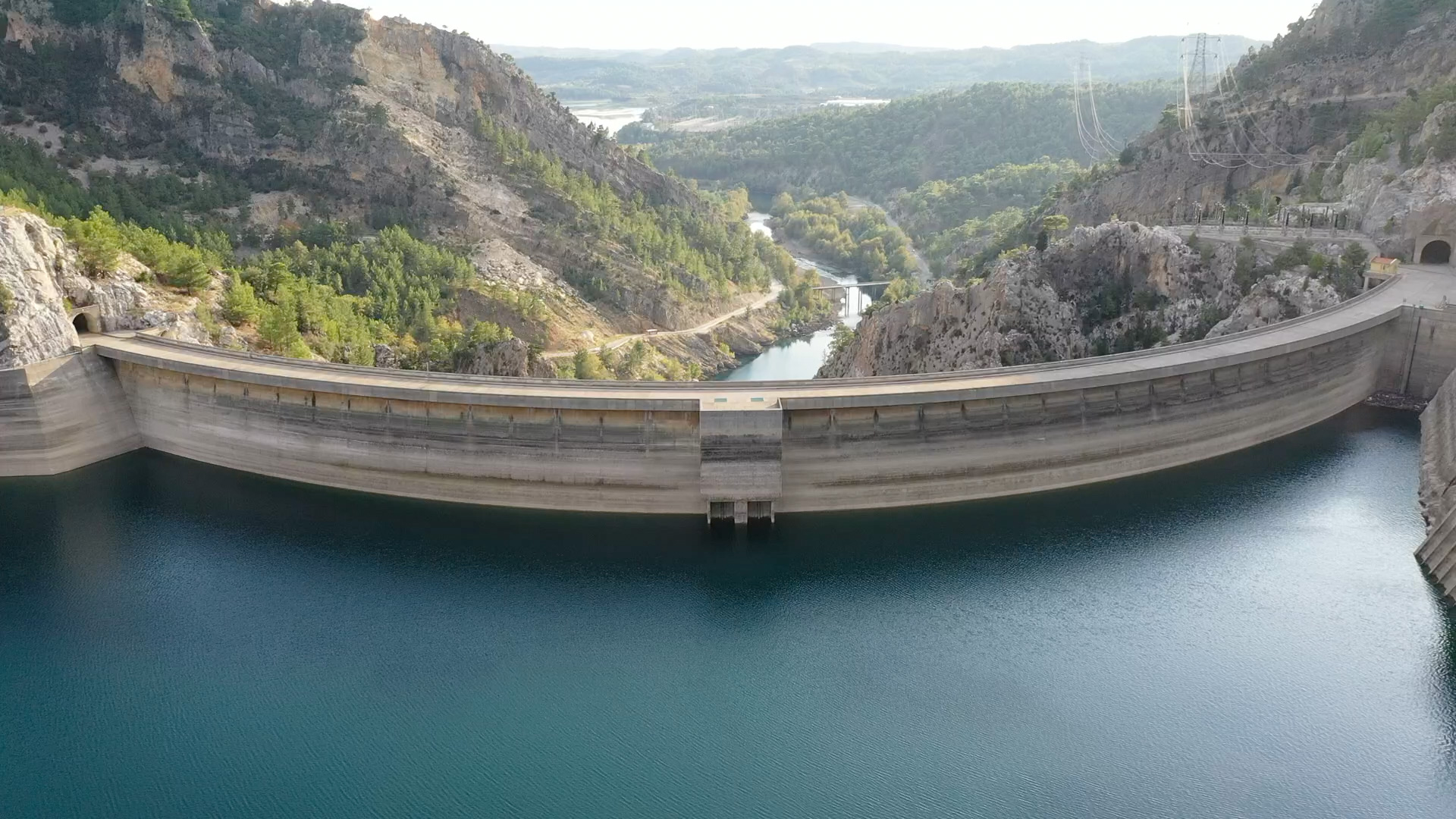
LA County manages stormwater through a coordinated system focused on flood control, pollution reduction, and water capture. LA County Public Works maintains an extensive network of drains, channels, dams, and debris basins and oversees the Los Angeles County Flood Control District (LACFCD), which is responsible for operating flood control facilities and systems. Both agencies operate dams and reservoirs, debris basins, storm drains and stormwater capture facilities, which all play a part in managing stormwater.
Everyone can do their part to help protect our local water supply. Simple everyday behaviors such as picking up pet waste, reducing plastic use and keeping your rain gutters clean can help reduce pollution and protect our waterways. Learn more about preventing stormwater pollution.
It‘s easy to make conservation part of your everyday routine! Simple actions such as taking shorter showers, reducing plastic use or supporting your local car wash can help conserve water. Get conservation tips for residents and businesses.
A watershed is an area of land where rain and snow flow downhill, come together with streams and rivers and eventually reach a larger body of water. More than just bodies of water, watersheds are full ecosystems made up of nearby people, animals and plants.
LA County is home to six watersheds: The Los Angeles River, San Gabriel River, Dominguez Channel & Los Angeles Harbor, South Santa Monica Bay, North Santa Monica Bay and the Santa Clara River. Learn more about our watersheds.
Water recycling involves taking water that goes down the drain and transporting it to a water recycling facility where it cleaned, treated and tested so it can be reused. Recycled water primarily goes to industrial and commercial uses, but some of it goes through additional purification and testing to replenish our drinking water supply. Recycled water reduces our reliance on imported water sources, strengthens our water supply and helps us create a resilient water future. Learn more about recycled water and regional water purification programs.
Water for LA envisions a future where everyone is an informed and empowered water advocate. Across LA County, there are many ways to get involved and support a healthier, more sustainable water future for our region. Visit our Get Involved page to learn more.