Pollution Prevention
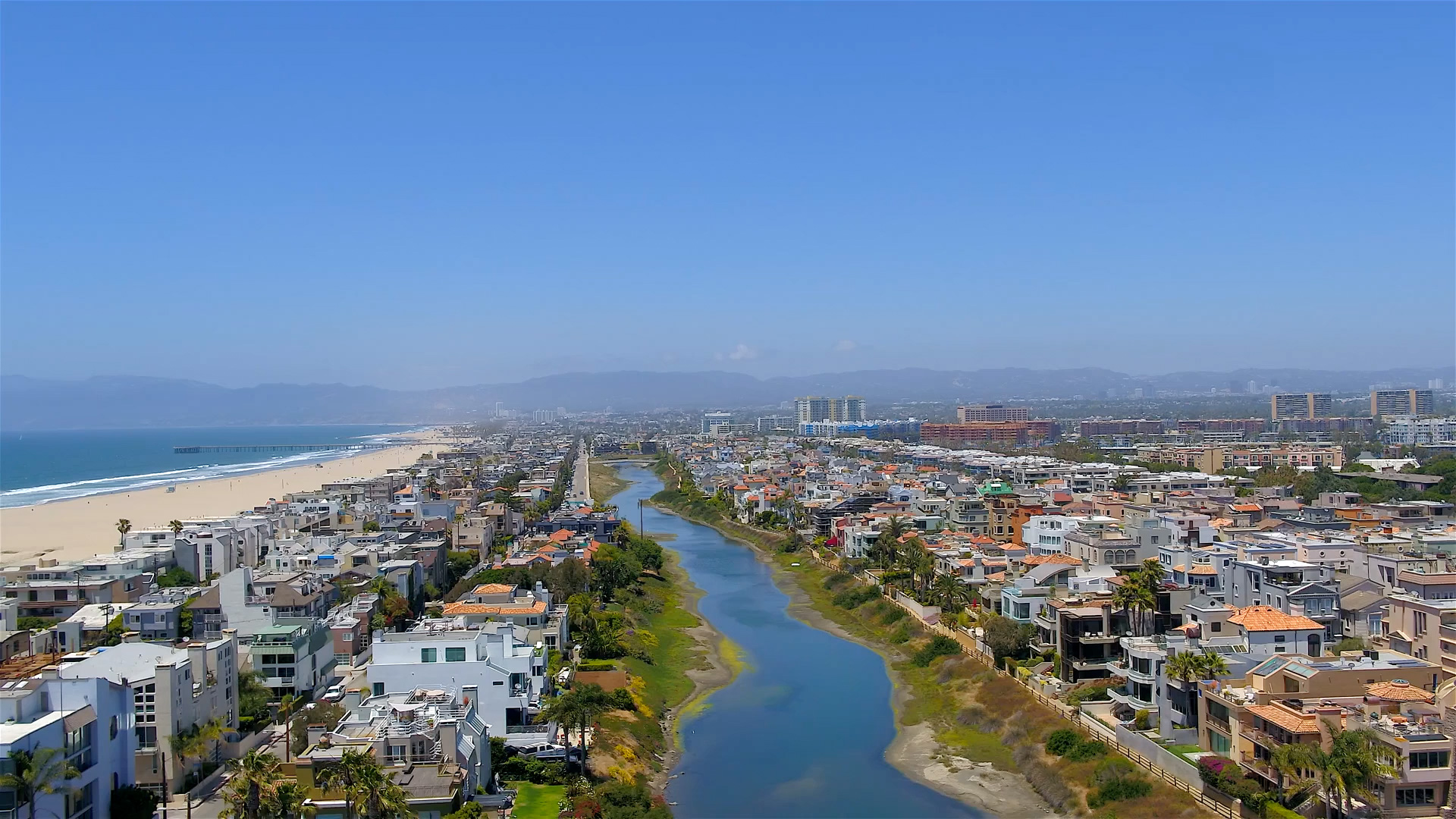
We're lucky to live in a region surrounded by all types of water—rivers, lakes, streams, bays and of course, beaches. From swimming and surfing to the robust ecosystems created by our watersheds, water is part of who we are.
To keep it this way, we need to protect our water from pollution. California has strict laws governing water quality, and local agencies work hard to meet these standards. Individual actions can lead to cleaner waterways, too. We all have a role in keeping LA County's water healthy and safe.

The Cleaning Power of Dirt
Before LA County became the concrete jungle it is today, it was mostly undeveloped land — which meant lots of space for stormwater to soak into the ground. The soil would act as a natural filter for the water, removing pollutants as water seeped through the layers of the earth. In today’s urban environment, there’s very little undeveloped soil to filter the water. When rainwater can't be absorbed into the ground, it’s forced to run off onto urban surfaces, gathering pollution on the way. We’re left with a pollution problem that’s threatening our local waterways.
When It Rains, It…Pollutes?
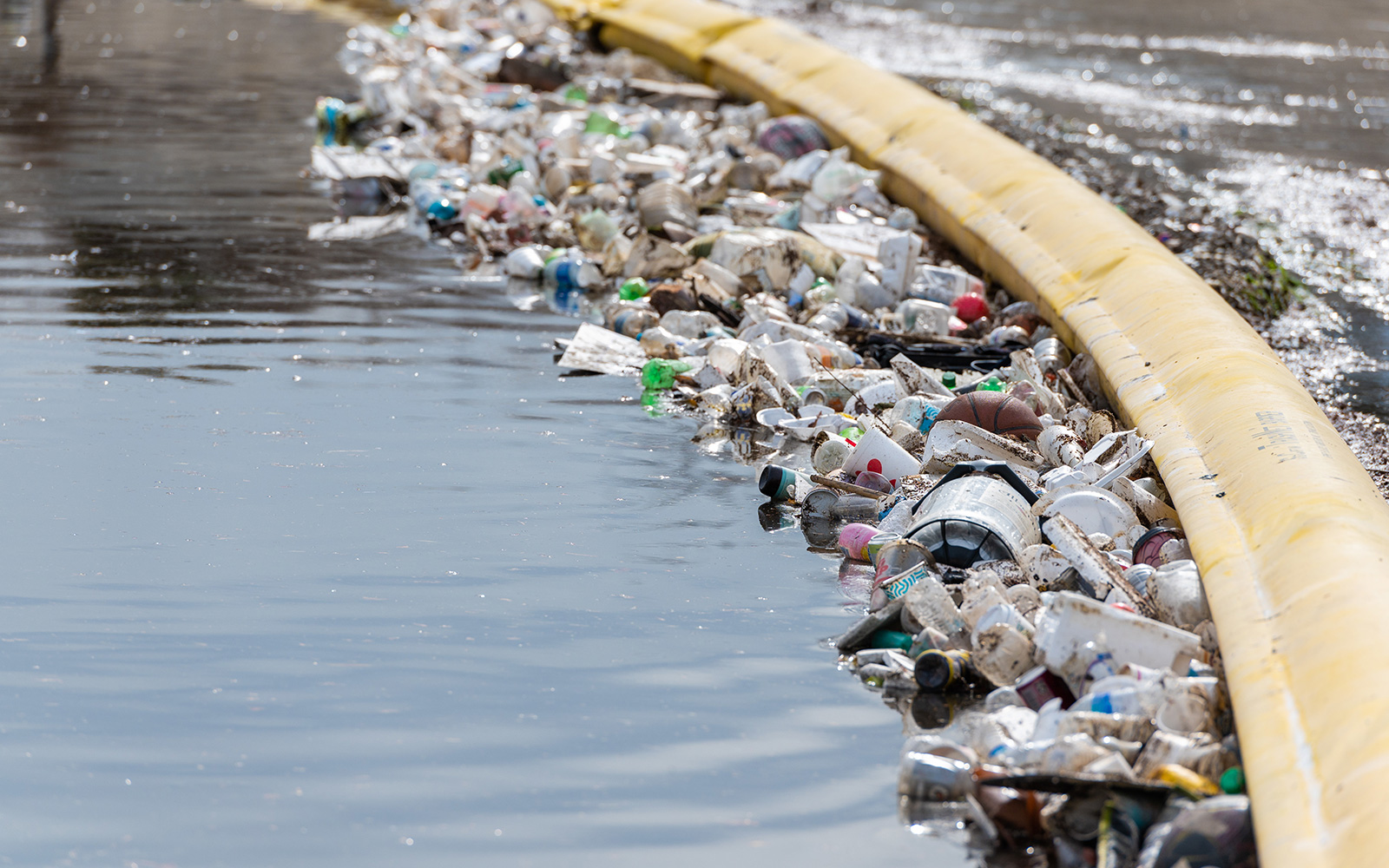
Once rainwater reaches the earth’s surface and begins to flow over areas of land, it’s known as stormwater. Unfortunately, when it rains in LA County, stormwater picks up all kinds of pollutants – bacteria, metals, chemicals, trash and anything we leave on the streets – as it washes over surfaces like roofs, lawns and parking lots. The polluted stormwater can then flow into our storm drains, eventually reaching our waterways.
Unlike wastewater—from toilets, sinks and showers—stormwater isn’t treated before it’s sent out to the ocean. If stormwater is polluted, it can lead to closed public beaches or risks to local ecosystems and wildlife. Luckily, stormwater pollution is preventable!
The Ballona Creek Interceptor
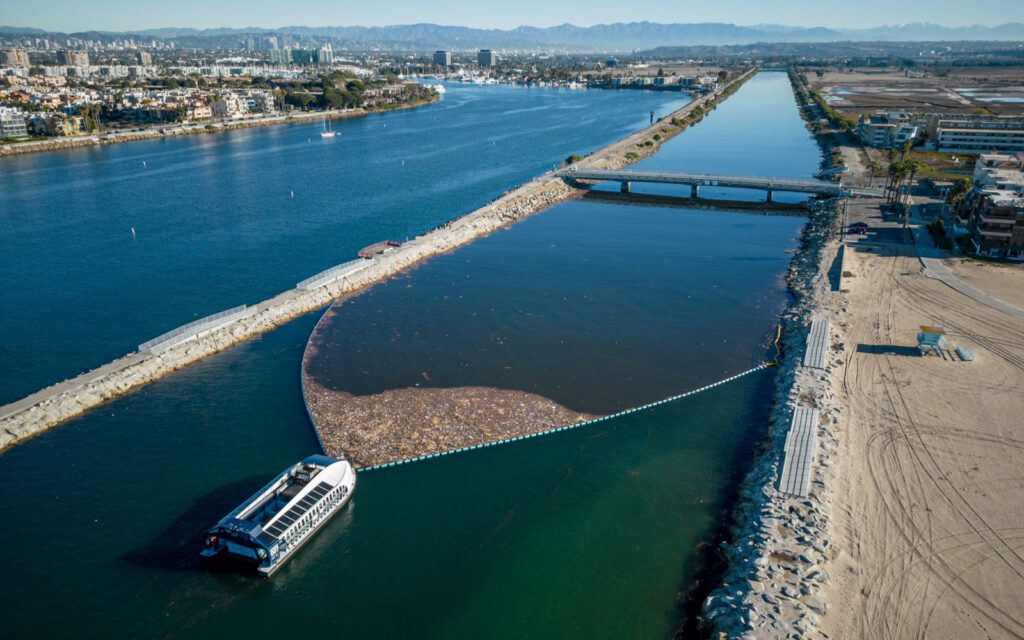
The Ballona Creek Interceptor™ 007 is a fully automated, solar-powered trash collection device designed to prevent litter from reaching Santa Monica Bay. LA County Public Works deployed the Ballona Creek Interceptor™ in October 2022 to capture floating plastic, trash, and litter before they reach the ocean. During and following periods of intense rain, when trash and debris are expected to flow down Ballona Creek, the Interceptor™ 007 booms are deployed in a V-shape to capture and funnel trash. The rest of the time, the booms are configured to allow access to the creek. Since its initial deployment, 200 tons of trash have been collected by the Interceptor™.
Our Water, Our Responsibility
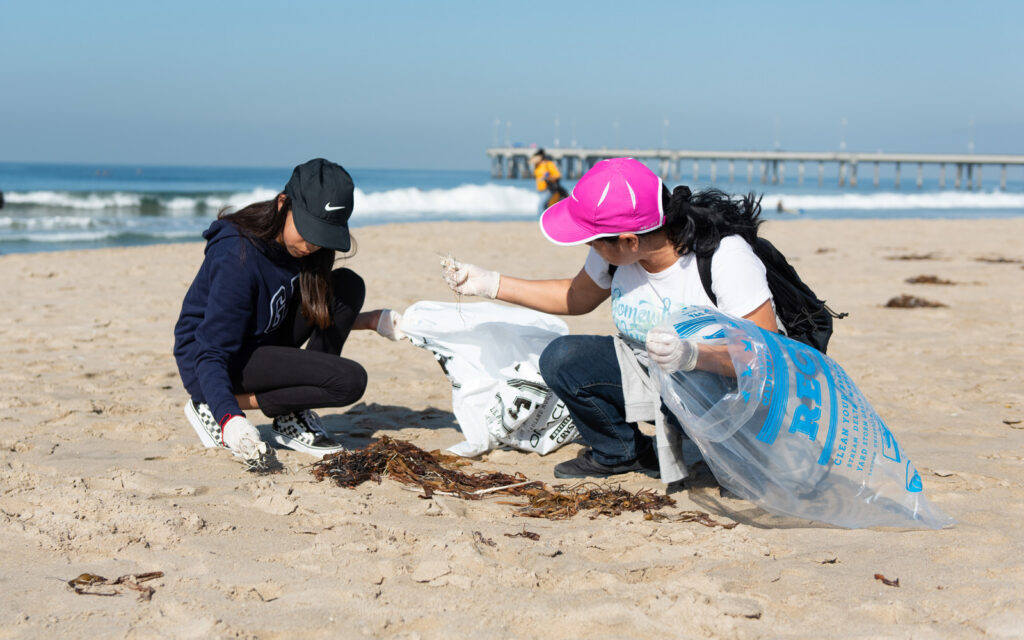
Protecting our waters means keeping pollutants out of it. Local agencies work closely to monitor and manage the quality of LA County’s six major watersheds, including cleaning up areas like the San Gabriel and Los Angeles Rivers, to ensure stormwater can be captured, cleaned and reused as part of our local water supply.
Locally, you may also see projects and programs like street sweeping to keep storm drains clear, roadway corridors with permeable surfaces to allow water to pass through and multi-benefit projects to capture, treat and reuse stormwater. Other plans include new wetland parks, green streets—greenspaces designed to filter runoff and underground water retention facilities.
How You Can Help
Every two weeks, Los Angeles County generates enough trash to fill Dodger Stadium. If even a fraction of that doesn’t make it into trash cans, it can have a massive effect on our environment. Keeping our beaches and waterways clean is everyone’s responsibility.
Pick It Up
Whether it’s a cigarette butt, plastic bag or dog waste – toss it in the trash, not the street.
Skip the Plastic
Disposable plastic can find its way into our storm drains and eventually our waterways. Opt for reusable water bottles and containers to reduce waste, protect our water and save you money.
Keep Drains Clear
Storm drains won’t catch stormwater if they’re blocked. Keep storm drains clear and report any clogged drains to the authorities. Your unflooded street, and water supply, will thank you later.
Compost First
Compost or reuse your grass, leaves, tree branches and other green waste, so it doesn’t clog storm drains and flood your neighborhood.
Go Green
Choose non-toxic pesticides, fertilizers or other chemicals for your yard. Don’t apply them right before it rains and be sure not to overwater after application – you’ll lose most of the effect as they are washed away and also harm the environment.
Clear Out Drain Spouts
Keep gutters free of leaves and branches so water can flow freely.
Stop Spills
If you’re working on your car in the street or driveway, don’t let motor oil or sudsy water run into the streets and down storm drains
Don’t Paint the Town
Dilute paint water and brush residue with water and dispose it in your sink drain. Washing paint brushes outdoors will send it all into our rivers, streams and oceans.