Water Supply
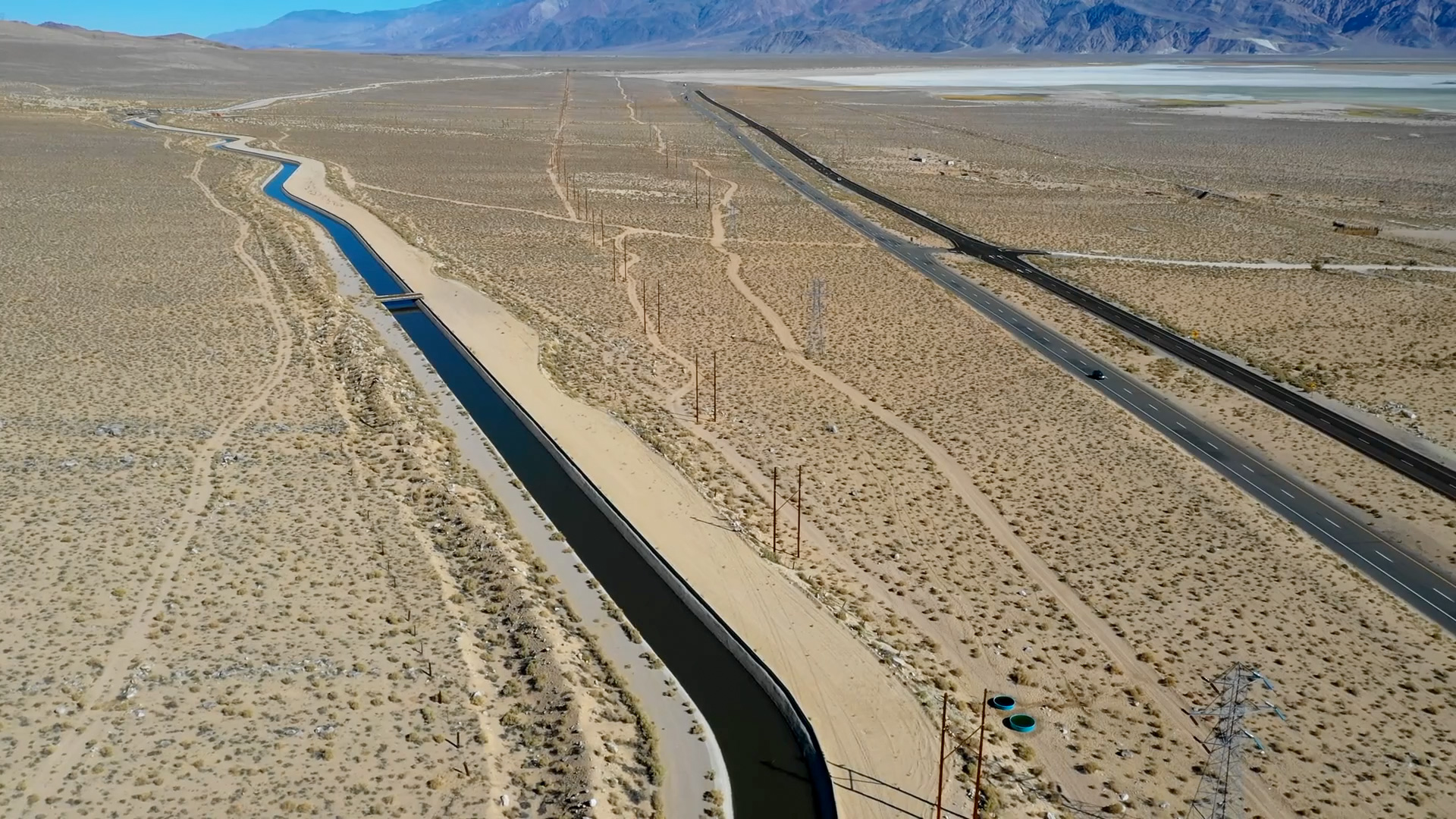
More than 200 agencies across LA County work together to manage the complex systems that bring water to our homes, schools, and businesses. It’s up to water supply agencies to ensure that when water arrives to consumers, it’s sufficient, reliable and safe. Our region relies on a diverse mix of groundwater, surface water, imported water and recycled water to help keep supplies resilient amid climate change. Water agencies across LA County are working to meet 80% of our water needs with local supplies by 2045.
Imported Water
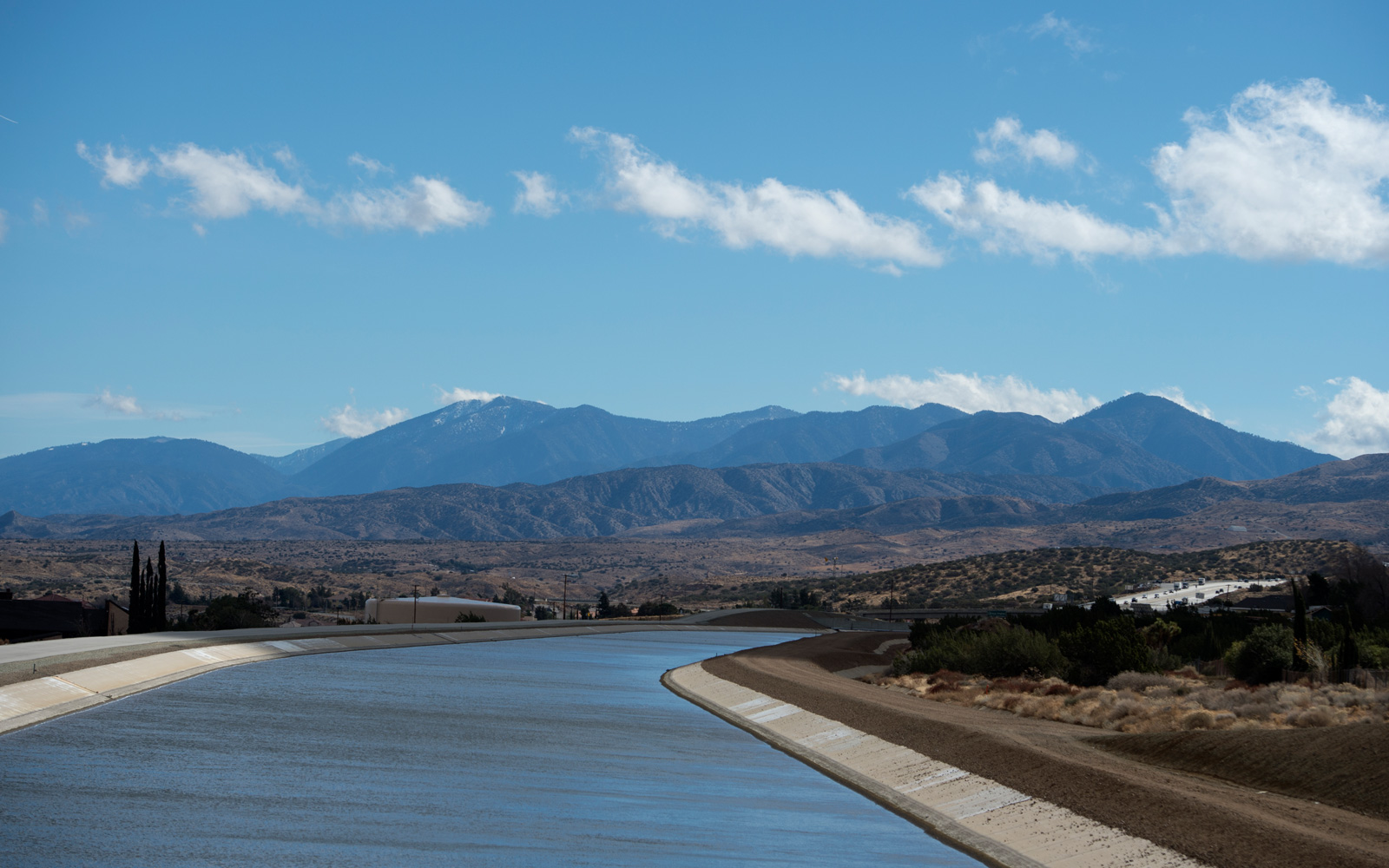
Nearly two-thirds of our water supply is imported, which means it’s transported to LA County from another region through canals, aqueducts, and pipelines. Our imported water is primarily from three regions— the Colorado River, the Sierra Nevada, and the Sacramento-San Joaquin Bay Delta.
Surface Water
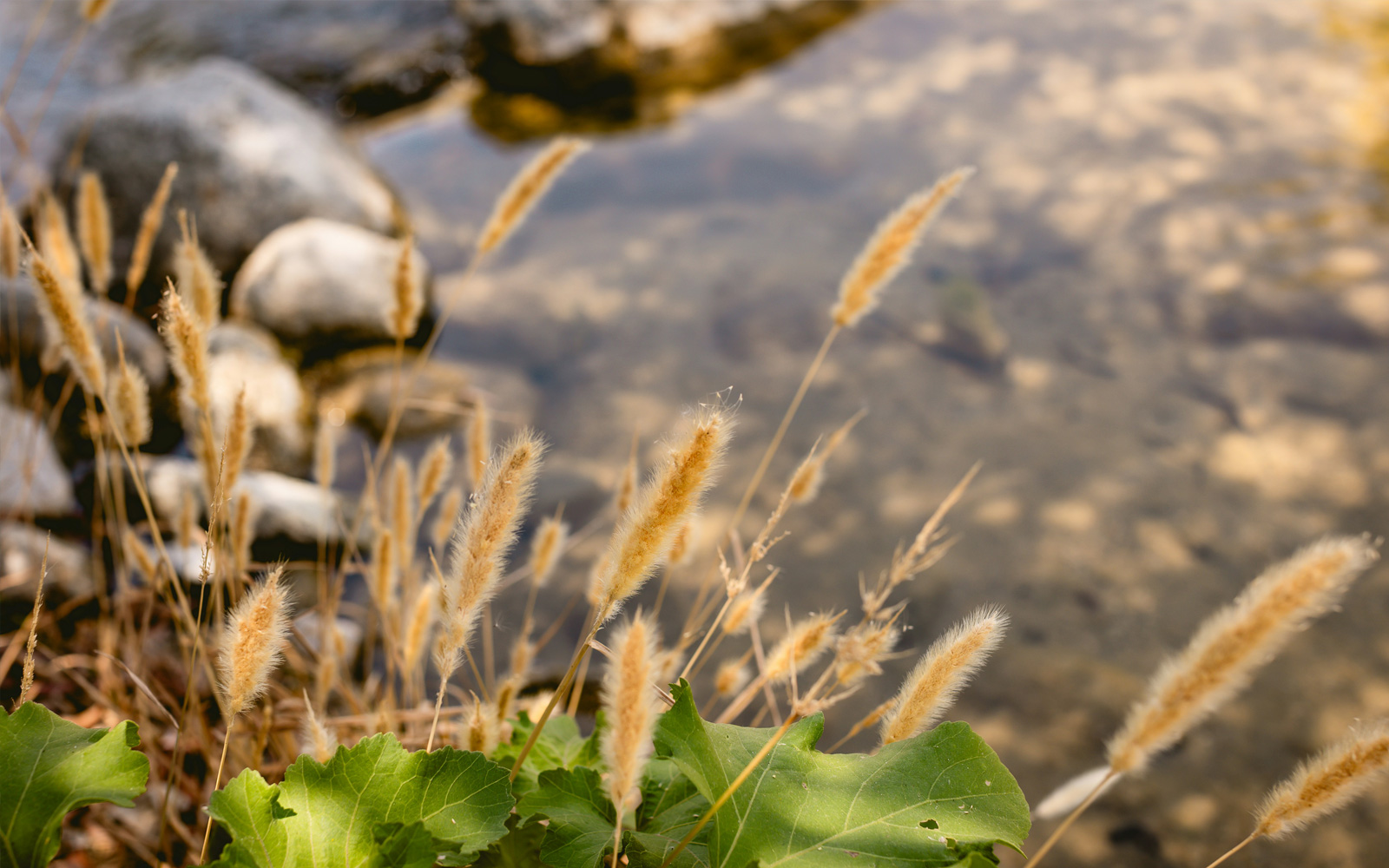
Surface water is any water above ground like rivers, creeks, lakes and other bodies of water. Surface water is part of the hydrologic cycle, which means its fed by precipitation such as rainfall and snowmelt. Surface water helps support drinking water, irrigation and surrounding ecosystems.
Local Water
In addition to our imported water sources, LA County relies on several local water sources. Groundwater, recycled water and captured stormwater are all local water sources that help replenish and strengthen our region’s water supply.

Groundwater
Roughly one-third of our water is stored in groundwater basins. Groundwater basins are formed when water seeps through Earth’s surface, where soil particles filter and clean the water before it collects between layers of hard soil and clay. Groundwater basins are naturally replenished by rainfall or recharged using imported water, recycled water or captured stormwater. Not all areas of LA County have groundwater basins, but those that do sometimes rely on this source for up to 90% of their water.

Recycled Water
Water that goes down the drain in our homes and businesses is often transported to water treatment facilities, where it’s cleaned, treated, and tested so it can be reused. Recycled water primarily goes to industrial and commercial uses, but some of it goes through additional purification and testing to replenish our drinking water supply. Recycled water reduces our reliance on imported water sources, strengthens our water supply and helps us create a resilient water future.
Advanced Water Purification
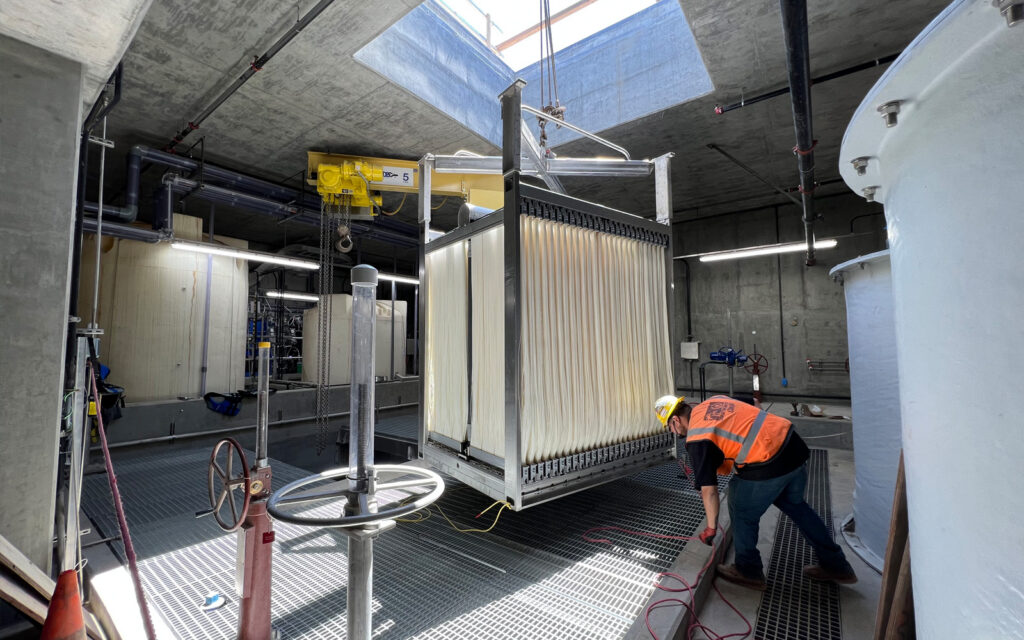
Advanced Water Purification (AWP) is a proven process that takes recycled water and purifies it further to produce high-quality water that meets or exceeds California's drinking water standards. The purified water is then used to replenish local groundwater basins, creating a dependable, climate-resilient and local supply that reduces our reliance on imported water.

Stormwater Capture
An intricate and expanding system across LA County helps us capture or “harvest” stormwater so it can be treated and reused to replenish groundwater basins. A network of dams and spreading grounds (areas that collect and hold water so it can seep into soil) direct stormwater into underground aquifers. Additionally, more than 100 stormwater capture projects are planned or underway to bolster local supplies.
2025-2026 Stormwater
Capture Dashboard
120.3
Gallons of Captured Rainfall
3
for an Entire Year
369300
Acre-Feet Capture
30
Total LA County Annual Demand