Local Projects
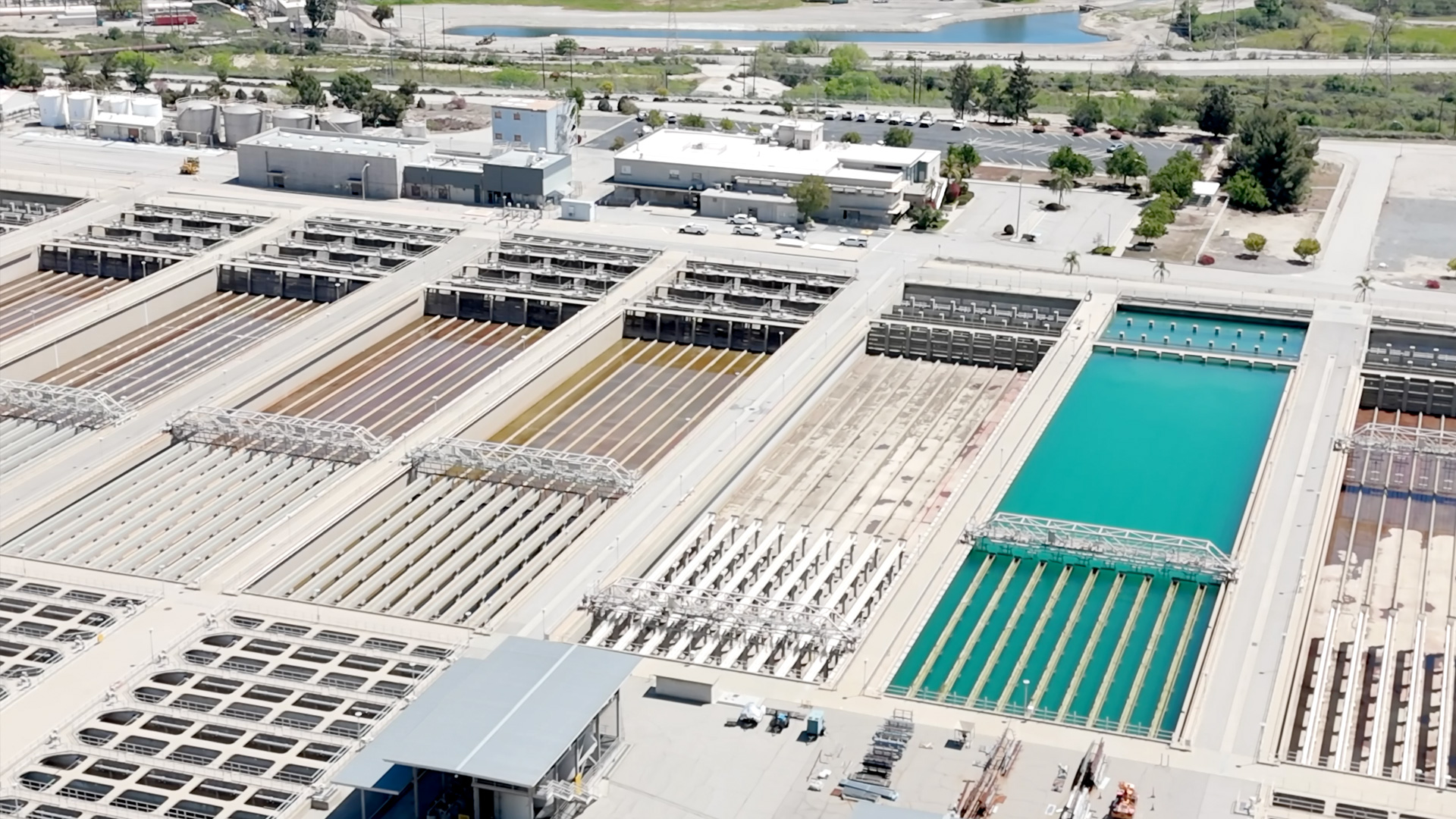
Across LA County, water agencies are making significant investments in modern, sustainable infrastructure to secure a more reliable local water supply. From large‑scale water recycling to groundwater replenishment initiatives, these projects strengthen drought resilience, reduce dependence on imported water, and create long‑term environmental and economic benefits for the region.
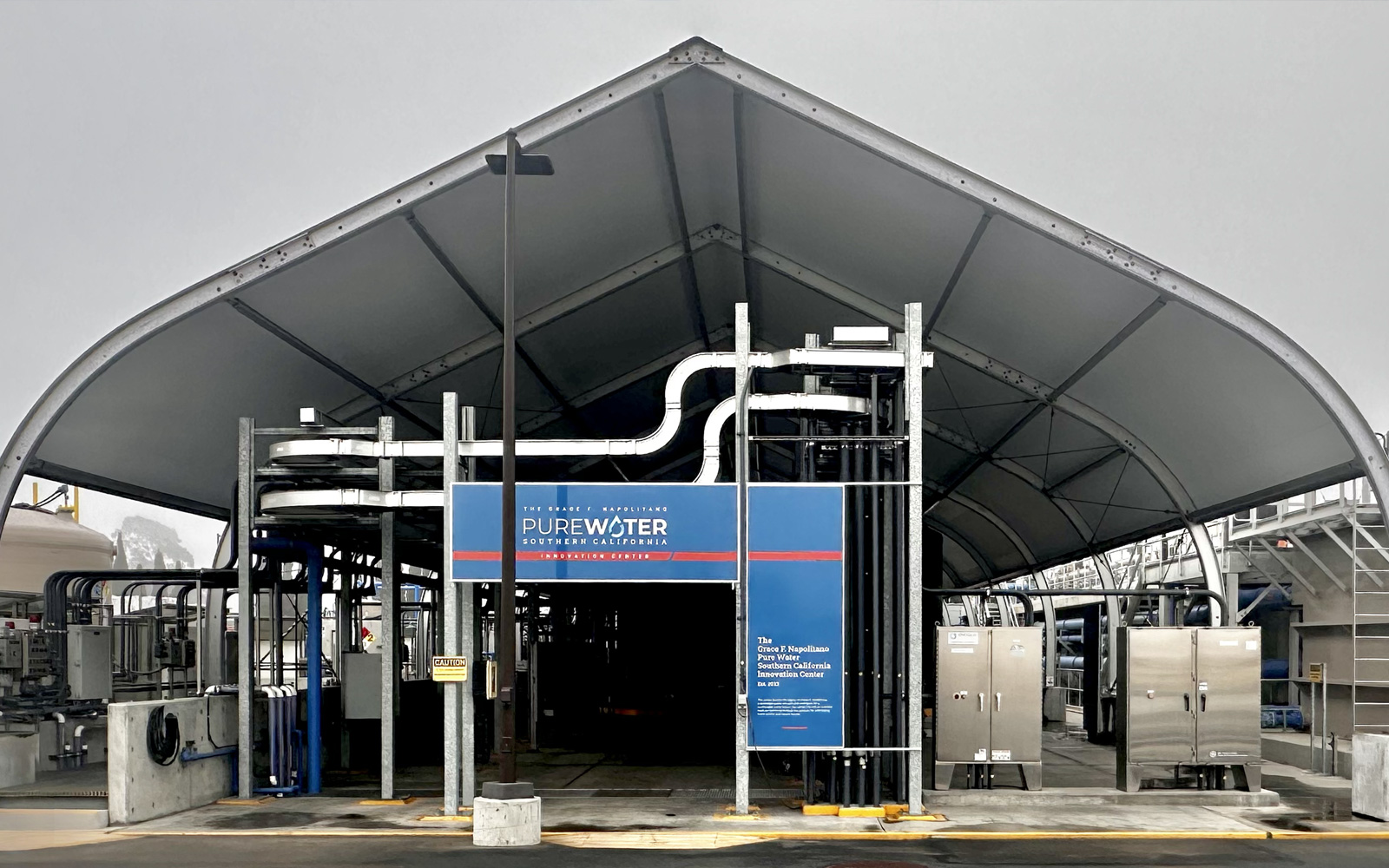
Pure Water Southern California
Metropolitan Water District, Los Angeles County Sanitation Districts
The Metropolitan Water District of Southern California is partnering with the Los Angeles County Sanitation Districts on Pure Water Southern California, a regional water recycling program that would purify and reuse cleaned wastewater that currently flows into the ocean. At full scale, Pure Water Southern California would produce 150 million gallons of purified water each day. By delivering a new, climate-resilient supply of locally available water, Pure Water Southern California would benefit the 19 million people living within Metropolitan’s service area. It also would become one of the world’s largest water recycling programs.
Pure Water Los Angeles
LA Sanitation & Environment, LA Department of Water & Power
Pure Water Los Angeles is a regional water purification project led by the Los Angeles Department of Water and Power and LA Sanitation & Environment. The project will upgrade the treatment process at the Hyperion Water Reclamation Plant in Playa Del Rey, CA to clean wastewater before it’s sent to a future advanced water purification facility. It will also build new infrastructure to support distributing purified water throughout the City for reuse. Phase 3 of Pure Water Los Angeles is projected to be complete by 2027, and once fully operational, it will be able to produce 230 million gallons of water per day.
Pure Water Project Las Virgenes-Triunfo
Las Virgenes Municipal Water District, Triunfo Water and Sanitation District
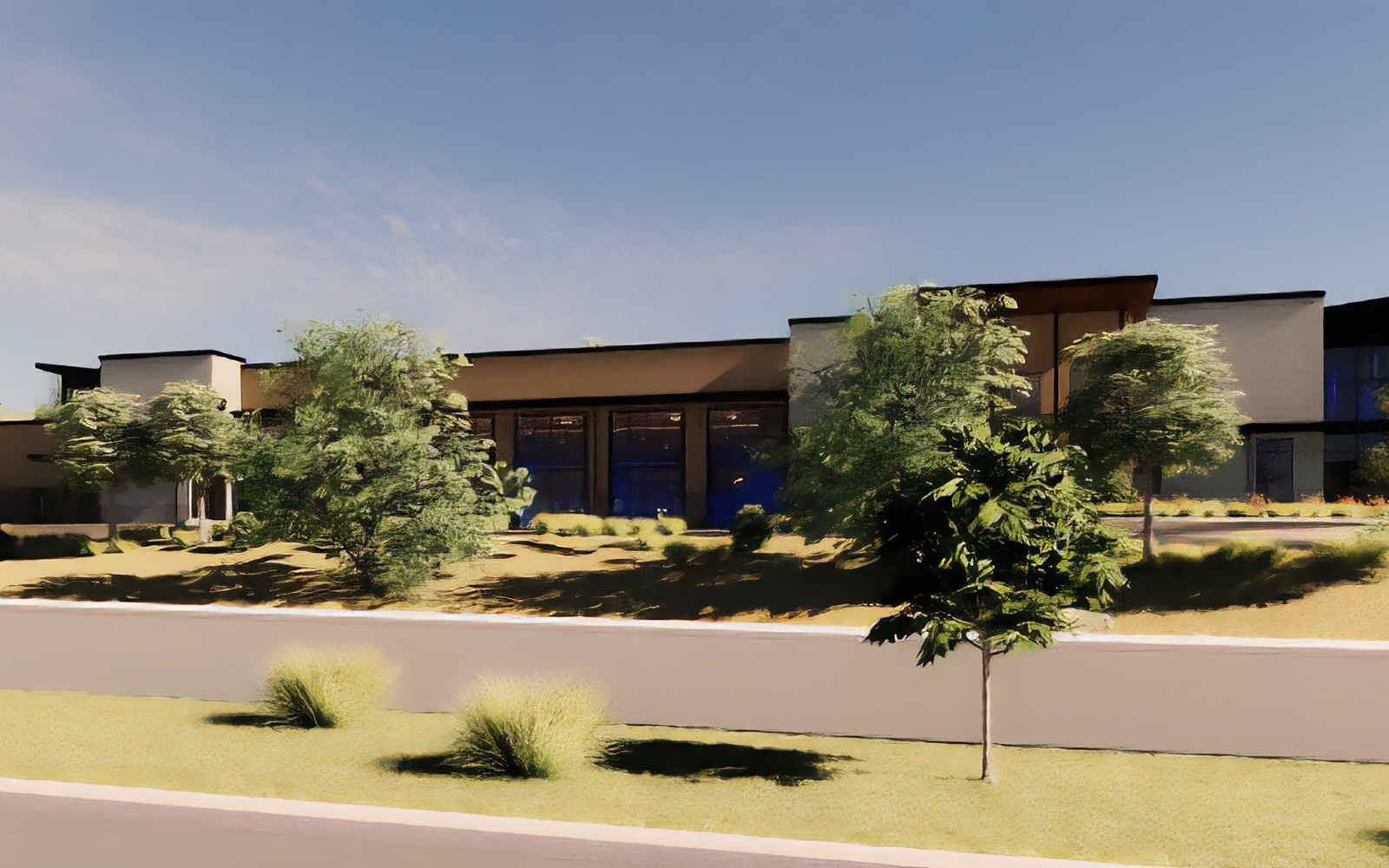
Pure Water Project Las Virgenes Triunfo is a planned, state-of-the-art Advanced Water Purification Facility that will take surplus recycled water from the Tapia Water Reclamation Facility (TWRF) – which has already been treated in a multi-phase process, including filtration and disinfection – and purify the recycled water to meet or exceed drinking water standards set by the State of California. The purified water will be delivered to the Las Virgenes Reservoir, where it will be blended with water imported from Northern California, to augment current drinking water supplies and provide customers of the Las Virgenes-Triunfo service area with access to a renewable, affordable, and sustainable source of water.
Pure Water Antelope Valley
Palmdale Water District
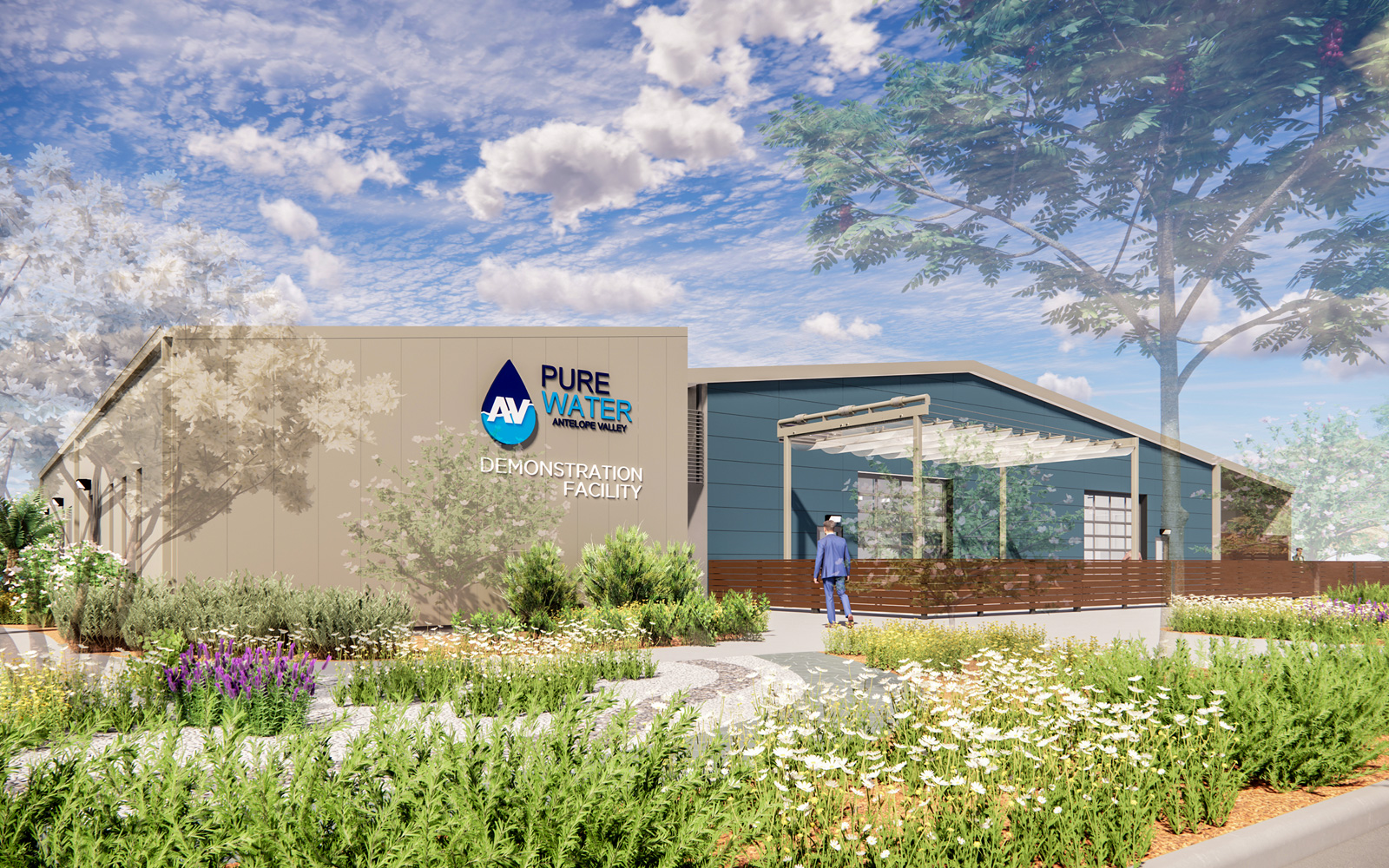
Palmdale Water District has embarked on the Pure Water Antelope Valley (AV) project, which will use state-of-the-art technology to purify wastewater that has already been cleaned extensively to help meet the community’s water needs. This water will be added to existing water supplies to provide safe, reliable drinking water for Palmdale. Pure Water AV will produce a new locally controlled, drought-resilient water supply to help replenish Antelope Valley’s groundwater basin.
Los Angeles Groundwater Replenishment Project (LAGWR)
Los Angeles Department of Water and Power, Los Angeles Bureau of Sanitation
The Los Angeles Department of Water and Power (LADWP), in collaboration with LA Sanitation & Environment (LASAN), is spearheading the Los Angeles Groundwater Replenishment Project (LAGWR). This initiative aims to supply up to 40,000 acre-feet per year of purified recycled water to the San Fernando Groundwater Basin. Utilizing cutting-edge technology that prioritizes human health, LAGWR represents a vital investment in creating a local, drought-resistant, and reliable water supply for the City of Los Angeles.
City of Santa Monica Sustainable Water Infrastructure Project (SWIP)
City of Santa Monica
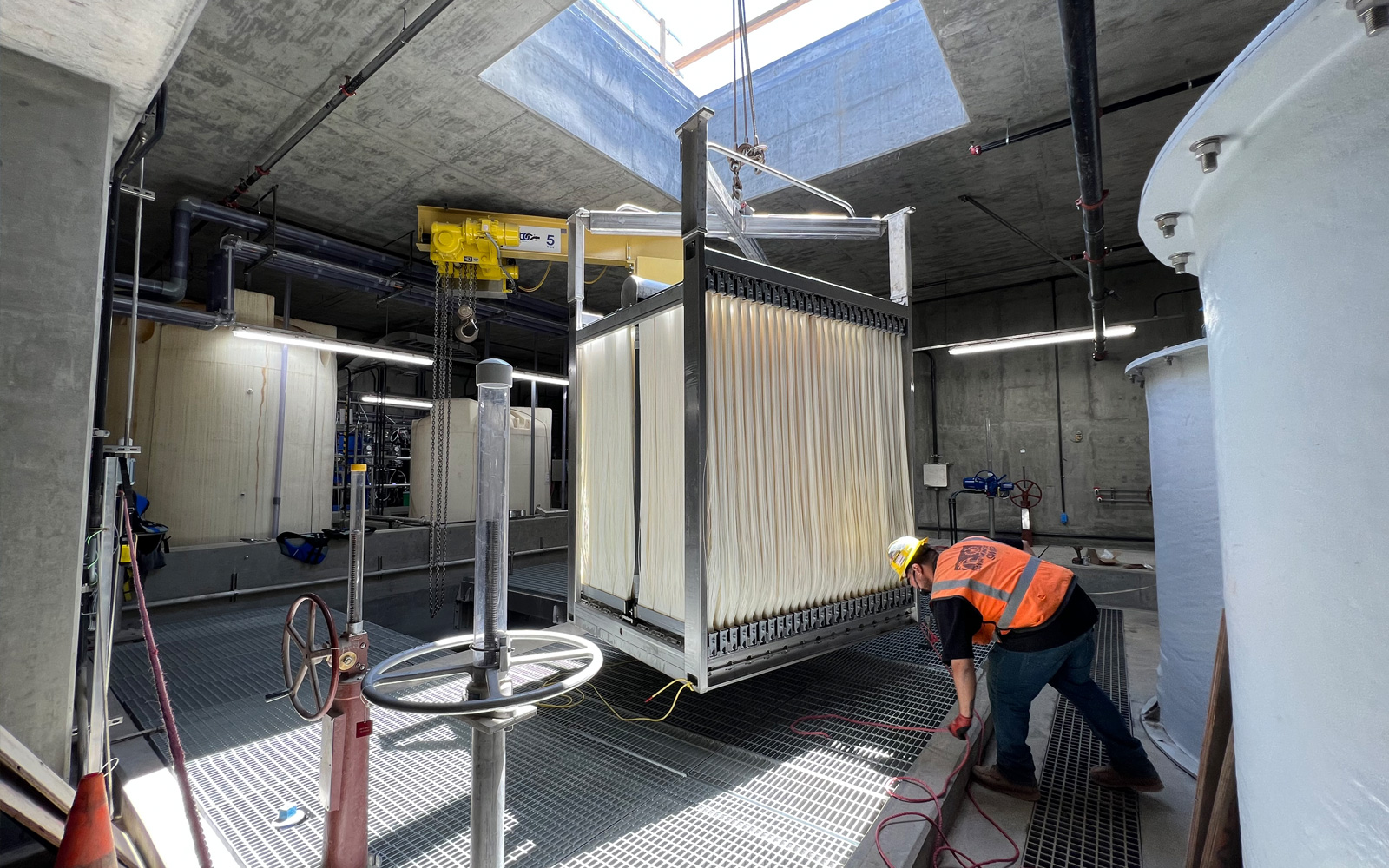
The City of Santa Monica Sustainable Water Infrastructure Project (SWIP) is a state-of-the-art water recycling system that will provide a new, sustainable, and drought-resilient water supply for the City. The SWIP consists of three integral elements working together to produce up to 1,680 acre-feet per year of high-quality purified water: an Advanced Water Treatment Facility, a Stormwater Harvesting Tank, and upgrades to the Santa Monica Urban Runoff Recycling Facility. SWIP is a key component of the City’s Sustainable Water Supply Program to increase the City’s water resiliency by bolstering local water supplies.
Palos Verdes Recycled Water Pipeline Project
West Basin Municipal Water District
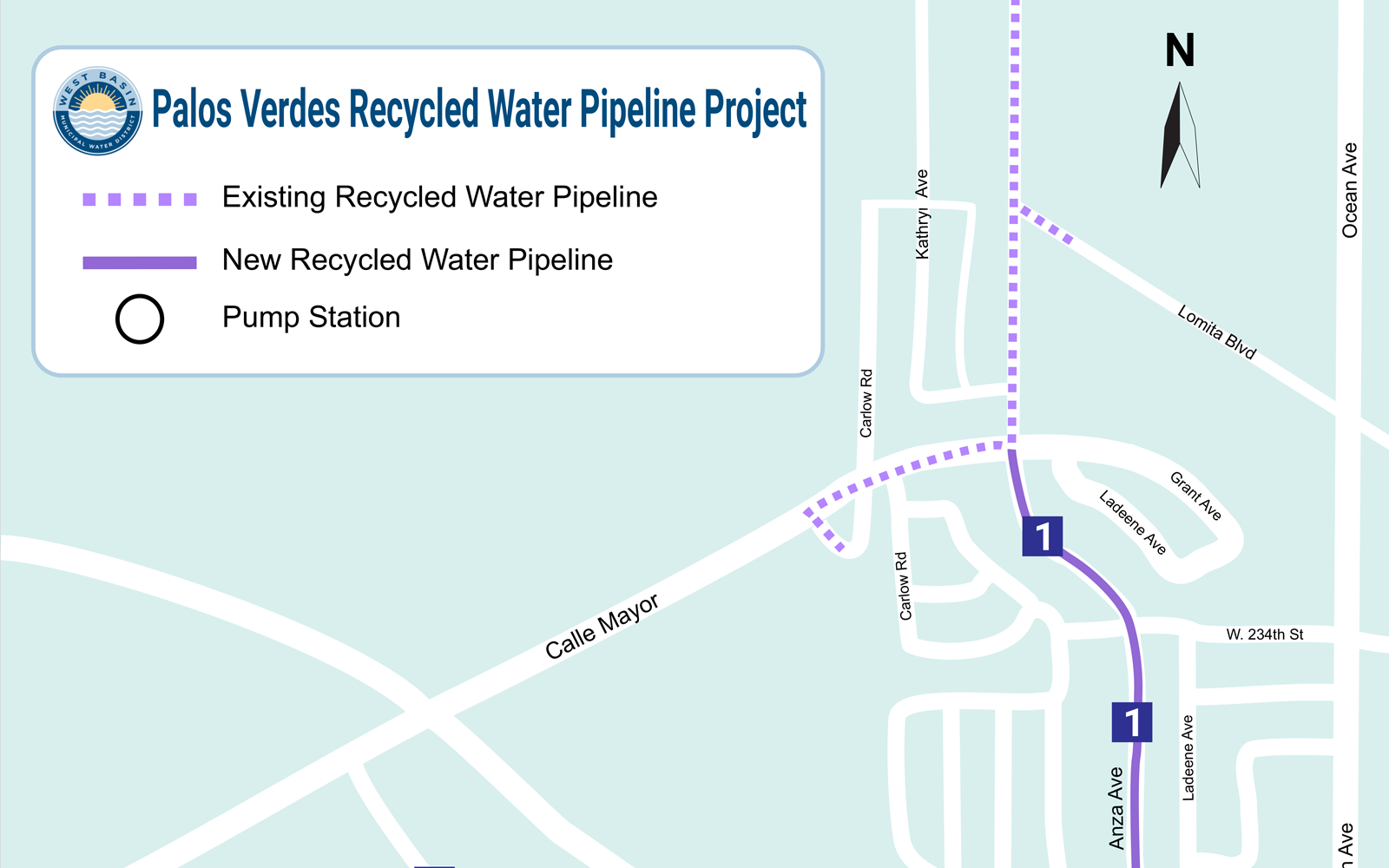
The Palos Verdes Recycled Water Pipeline Project expands recycled water infrastructure with six connections in Torrance and brings the first drop of recycled water to the Palos Verdes Peninsula. The project extends West Basin’s existing recycled water distribution main from the intersection at Anza Avenue and Calle Mayor in the City of Torrance to more locations in South Torrance and Palos Verdes Estates.
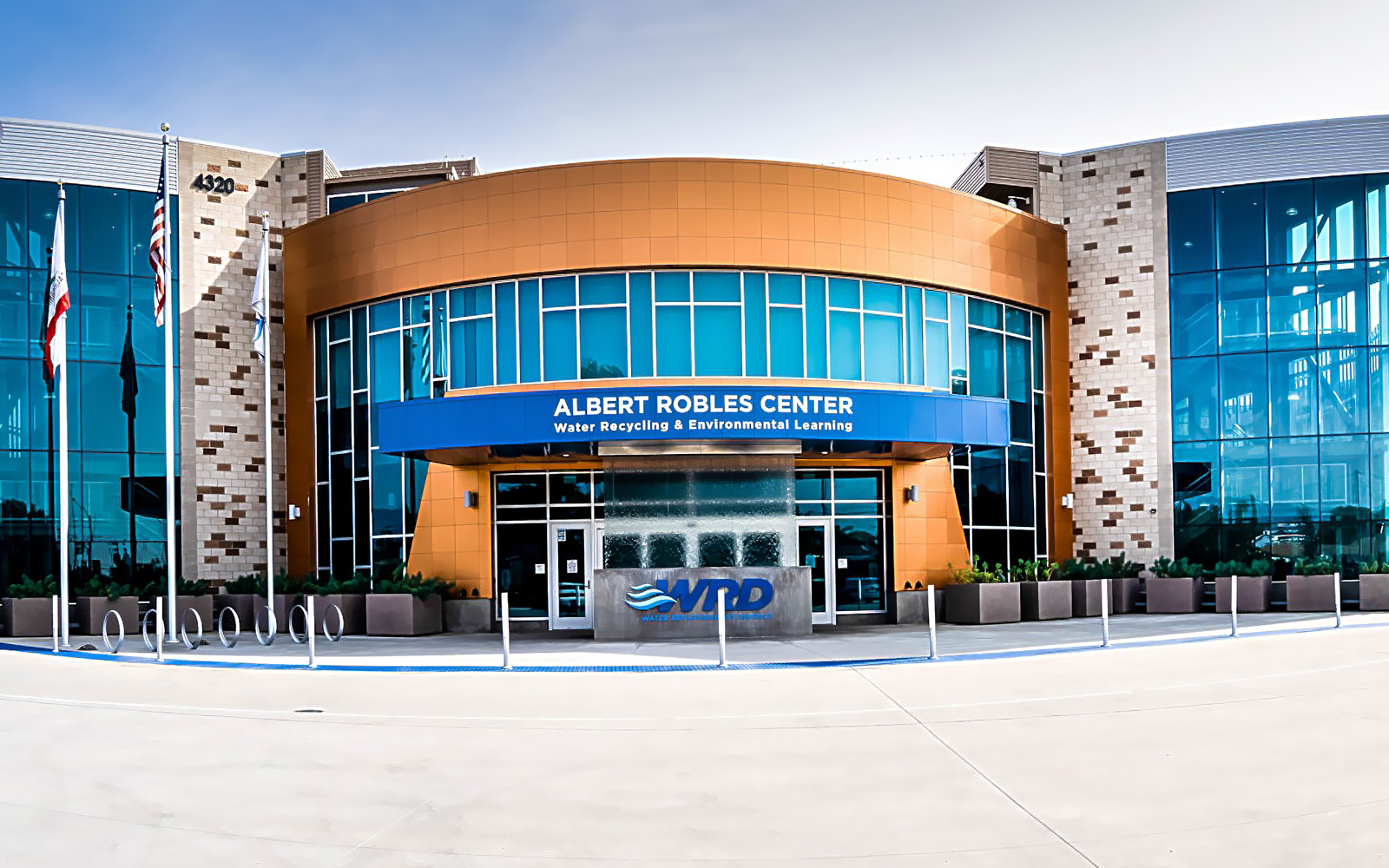
Albert Robles Center for Water Recycling & Environmental Learning (ARC)
Water Replenishment District
The five-acre Albert Robles Center for Water Recycling & Environmental Learning (ARC) isa multipurpose and multi-benefit site which encapsulates the Water Replenishment District's commitment to the community through the construction of a state-of-the-art Advanced Water Treatment Facility, a fully digital Learning Center, and a water-efficient Demonstration Garden. Treating up to 14.8 million gallons of water per day, the ARC facility is part of WRD’s Water Independence Now (WIN) program which created a locally sustainable water supply for groundwater recharge in the Montebello Forebay.
PFAS Remediation Program
Water Replenishment District
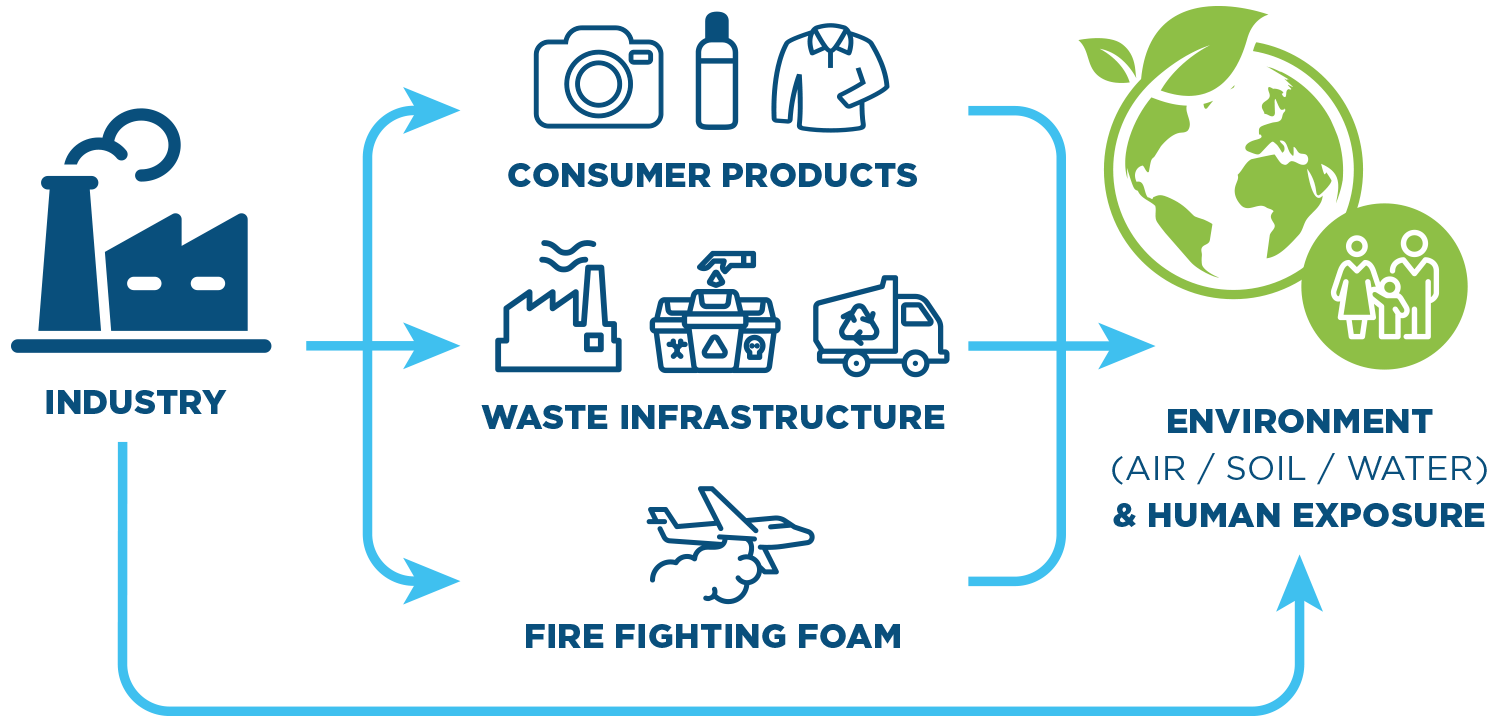
The WRD Board of Directors established the PFAS Remediation Program in August 2020, setting aside more than $60 million dollars to offer financial and technical support to water purveyors within the Central Basin and West Coast Basin seeking to treat drinking water wells impacted by PFAS. It's one of the first programs in the State of California to award grant funding to treat PFAS-impacted drinking water wells. WRD has been working with regulators and elected officials at the state and federal level to secure grant funding for PFAS remediation projects and prioritize funding for communities that meet the economic threshold to be considered “Disadvantaged Communities.”
The Alamitos Barrier Project
Los Angeles County Public Works, Orange County Water District
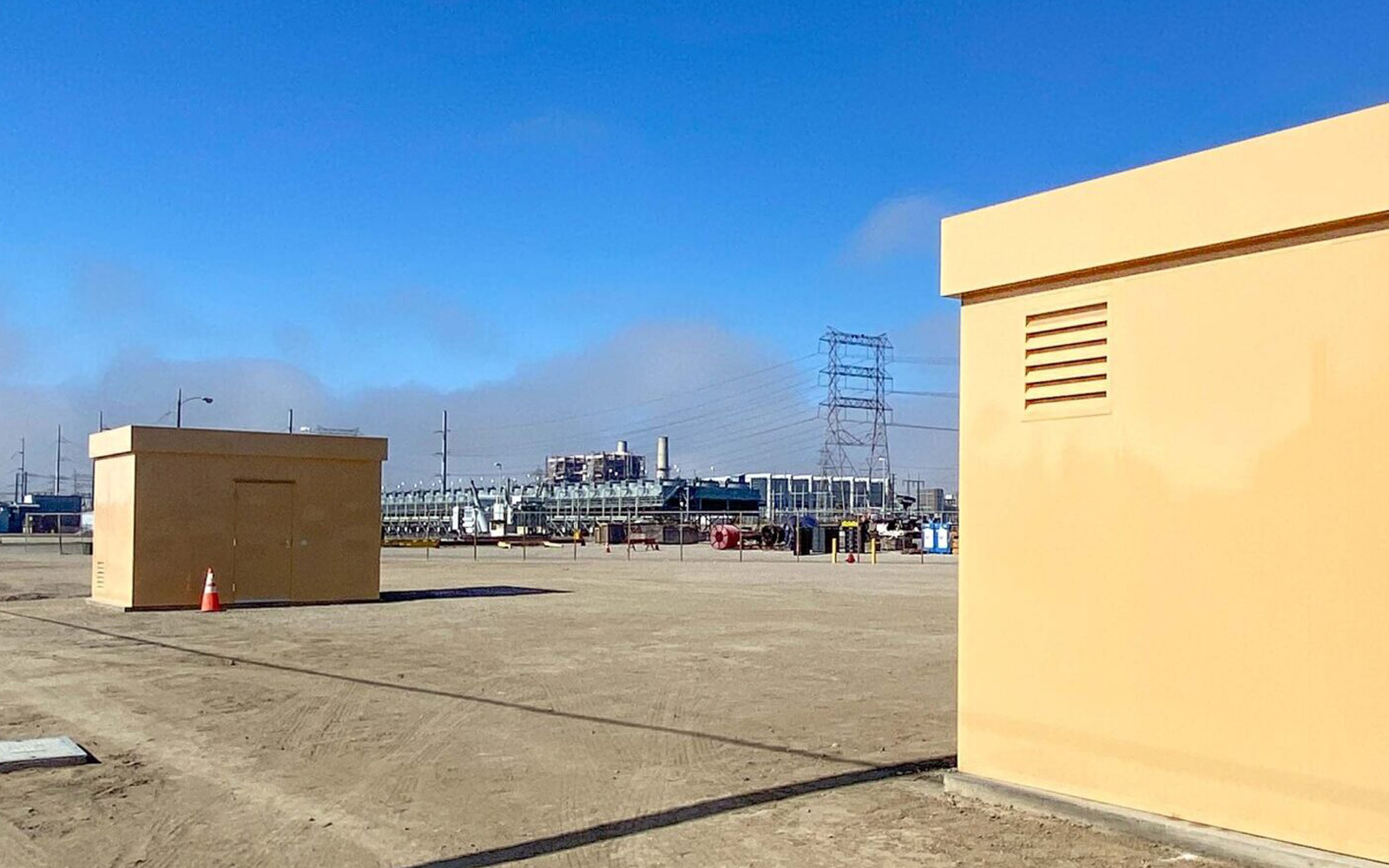
In conjunction with the Orange County Water District (OCWD), Los Angeles County Public Works is advancing the Alamitos Barrier Project (ABP) to protect the drinking water supply from seawater intrusion. The project uses dozens of injection wells to maintain a protective underground barrier and prevent seawater from infiltrating our groundwater supply. A large network of observation wells helps track groundwater levels and salt content to ensure the system continues to work effectively.