Reservoir Restoration

A network of 14 major dams and reservoirs across LA County help capture stormwater, reduce flood risk, and support water conservation and groundwater recharge that millions of people rely on each year. This network also plays an essential role in safeguarding communities during intense storms, reducing the risk of floods and debris flows for downstream communities. Public Works, which administers the planning and operational activities of the Los Angeles County Flood Control District, is restoring key reservoirs across the region to improve regional water supply, flood control, and climate resilience.
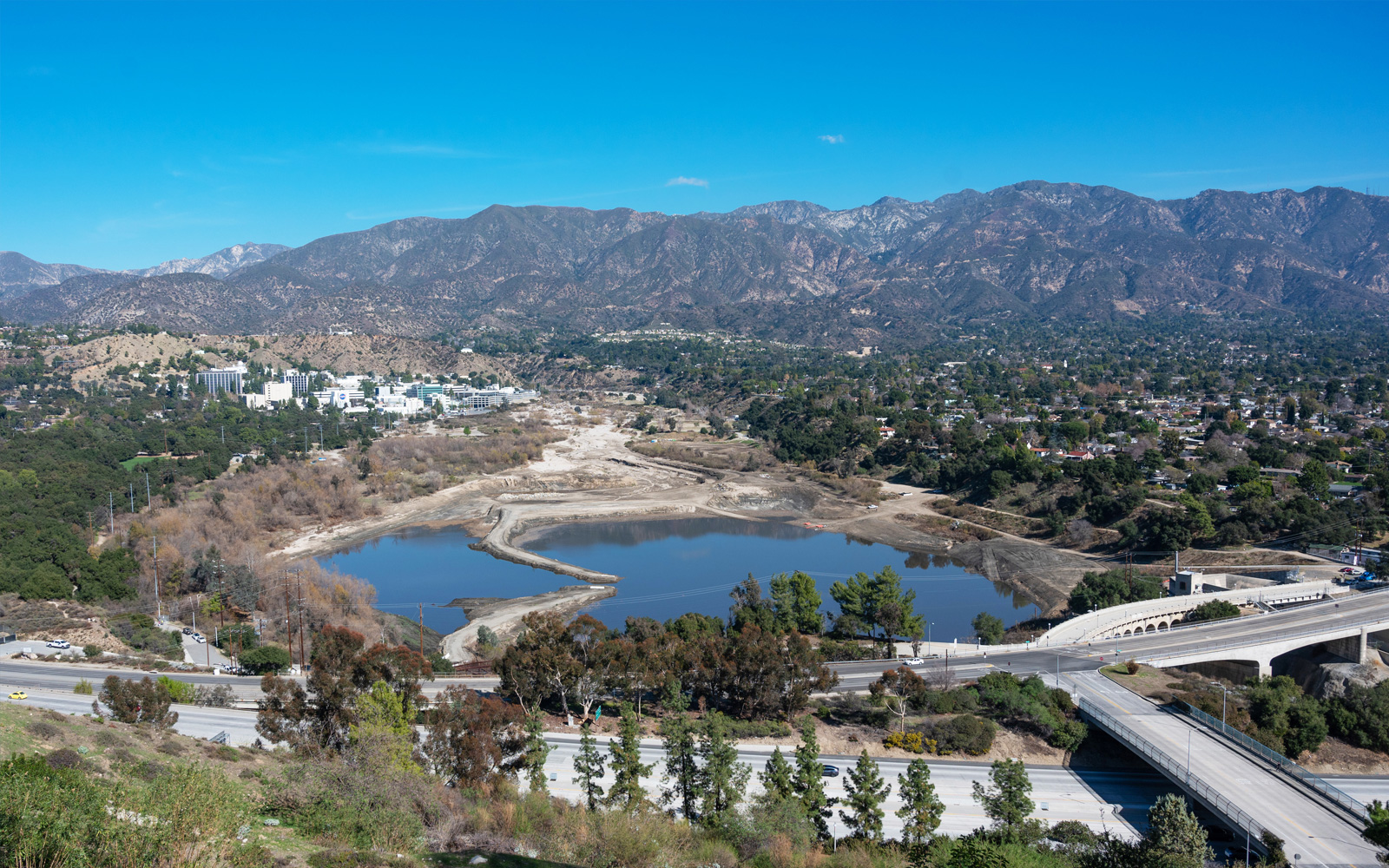
Devil’s Gate Reservoir
Located in Pasadena, Devil's Gate Reservoir is cradled by the oldest dam constructed by the Los Angeles County Flood Control District. Built in 1920, it provides flood protection to the cities of Pasadena, South Pasadena and Los Angeles.
The Devil's Gate Reservoir Restoration Project began in 2018 to increase flood protection for communities downstream of Devil's Gate Dam and restore habitats within the Arroyo Seco Watershed. The project removed decades of accumulated sediment, restored the reservoir’s storage capacity and reestablished natural vegetation by removing invasive plants in surrounding areas to enhance biodiversity.
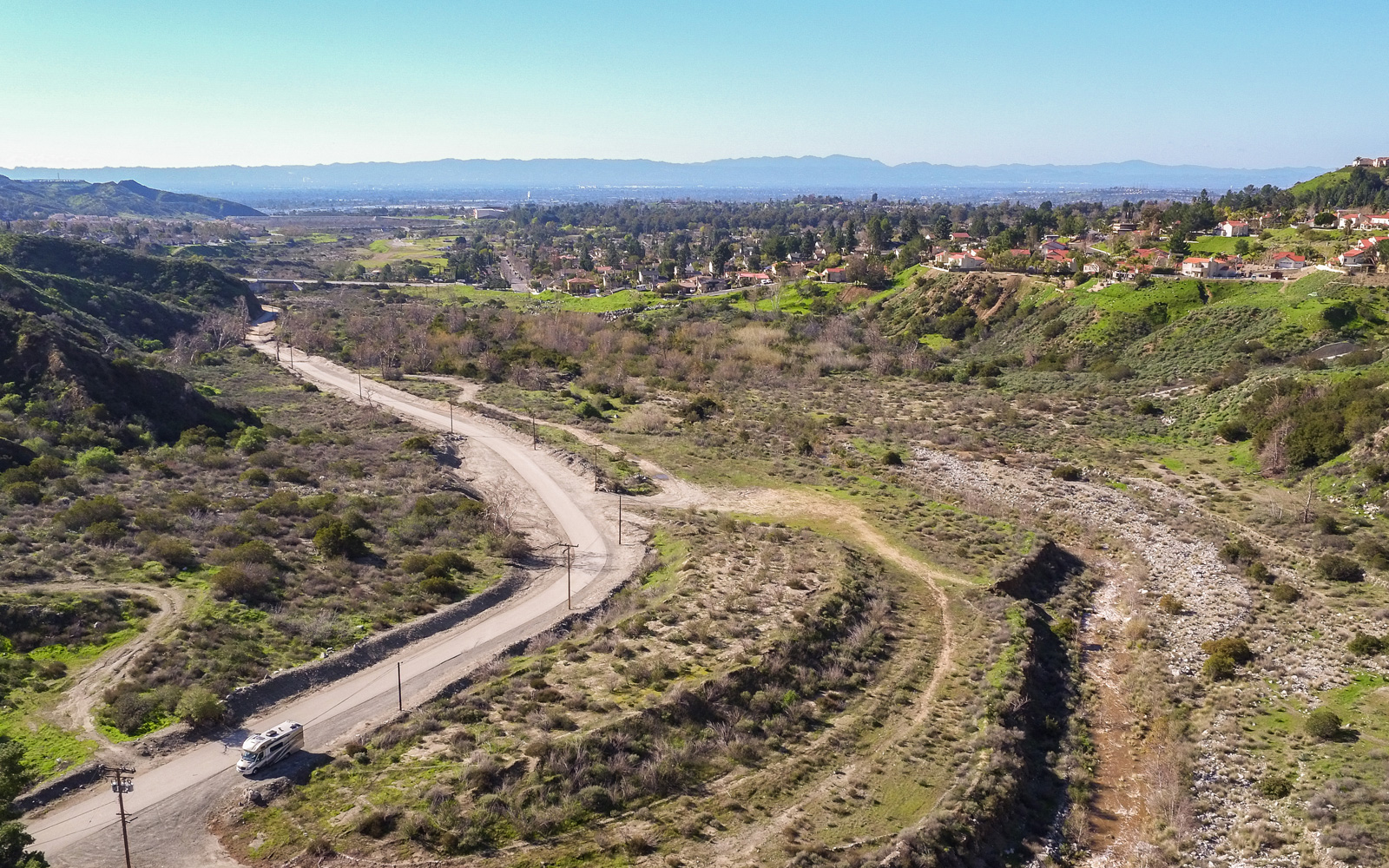
Pacoima Reservoir
The Pacoima Reservoir, located in Sylmar in the northeastern San Fernando Valley, was created by the construction of Pacoima Dam in 1929. Together, the reservoir and dam regulate stormwater flows and manage sediment from the surrounding San Gabriel Mountains and protect downstream communities from flooding.
Over time, natural sediment buildup has reduced the reservoir’s storage capacity, threatening its ability to protect downstream communities. The Pacoima Reservoir Restoration Project aims to restore that capacity and improve the dam’s long-term safety and performance. The Project is currently in the planning and environmental review phase. Construction is anticipated to begin in 2028.
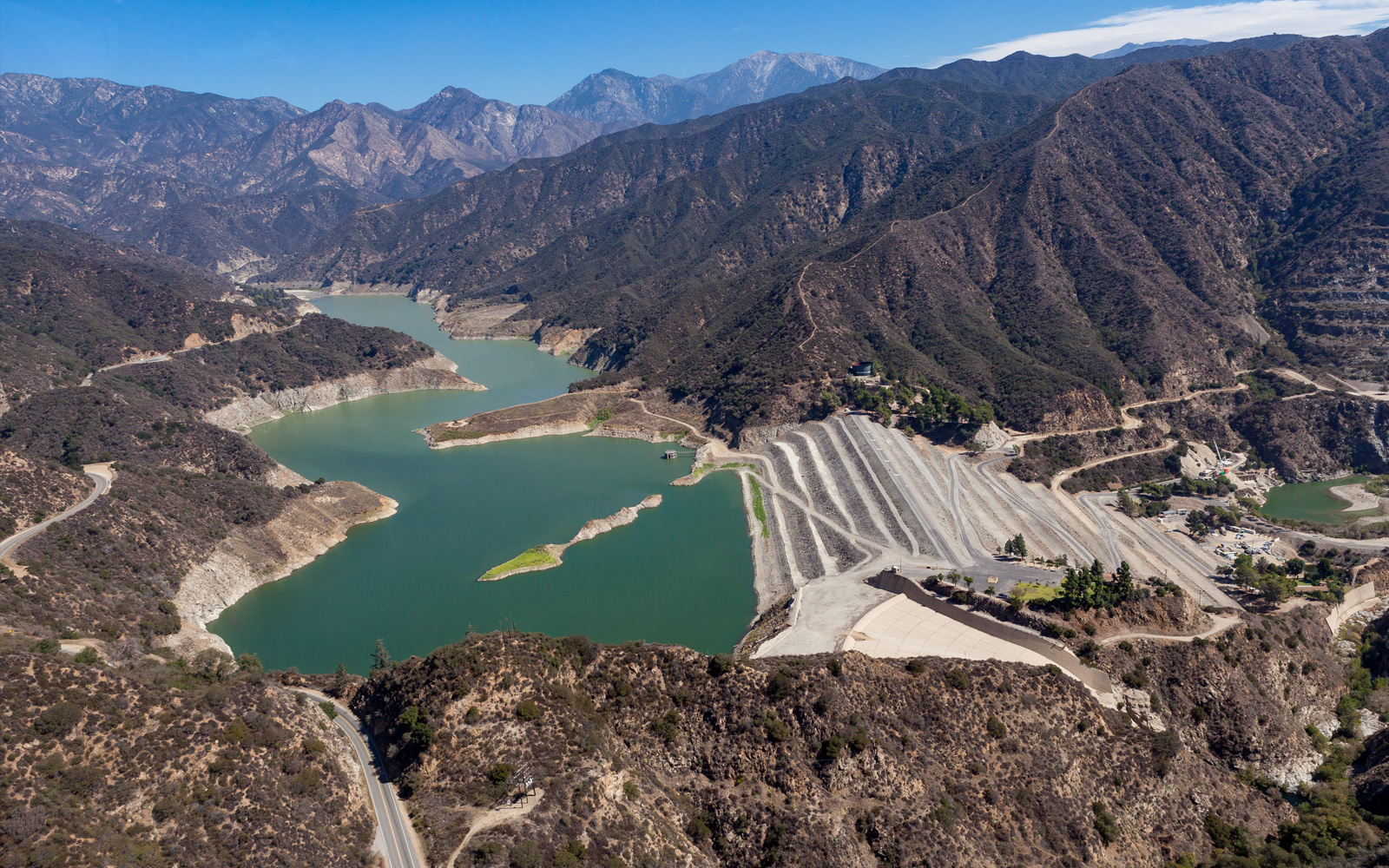
Bobcat Fire Reservoir Restoration Projects
Cogswell Dam, San Gabriel Dam and Santa Anita Dam are key flood control facilities that reduce flood risk and support water conservation for communities along the San Gabriel and Los Angeles Rivers by managing storm flows and capturing runoff for groundwater recharge. After the 2020 Bobcat Fire burned large portions of Angeles National Forest, vegetation loss increased the risk that storms could carry sediment and debris into nearby reservoirs, reducing storage capacity and affecting outlet works. In 2021, Public Works initiated a series of post-fire reservoir restoration projects to remove sediment from Cogswell, San Gabriel and Santa Anita Reservoirs and help maintain their flood protection and water conservation functions.
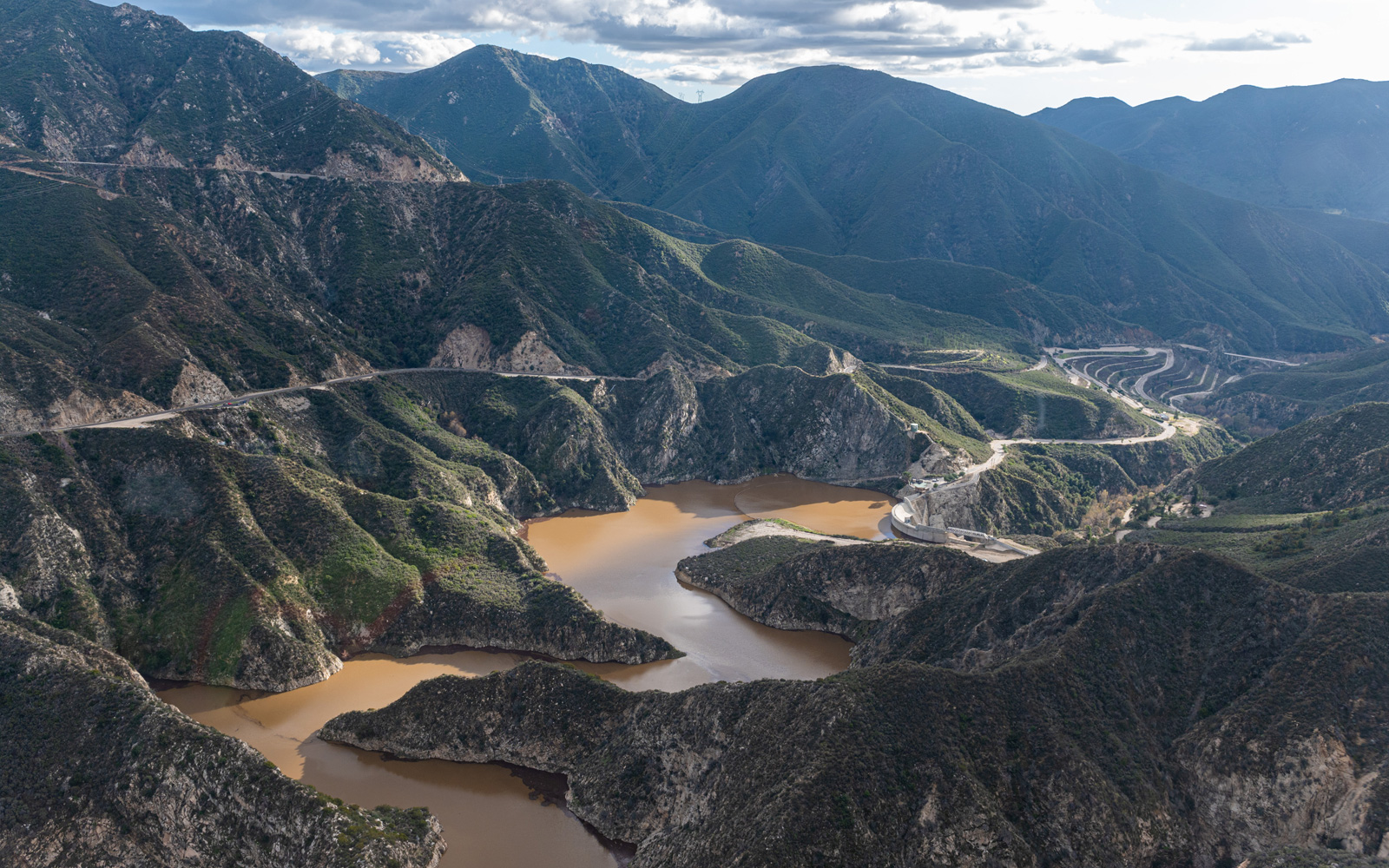
Big Tujunga Reservoir
Located in the San Gabriel Mountains, Big Tujunga Reservoir was constructed in 1931 with a storage capacity of approximately 6,000 acre-feet. The Reservoir protects downstream communities from flooding by managing stormwater flows and supports water conservation through managed releases that boost groundwater recharge.
The 2009 Station Fire burned 87% of the watershed tributary to Big Tujunga Reservoir, significantly increasing post-fire erosion and sediment buildup in the following years. The Big Tujunga Reservoir Restoration Project is intended to restore the reservoir’s capacity so that it can continue to provide critical flood protection and conservation functions. Sediment removal is tentatively scheduled to begin in spring 2027.
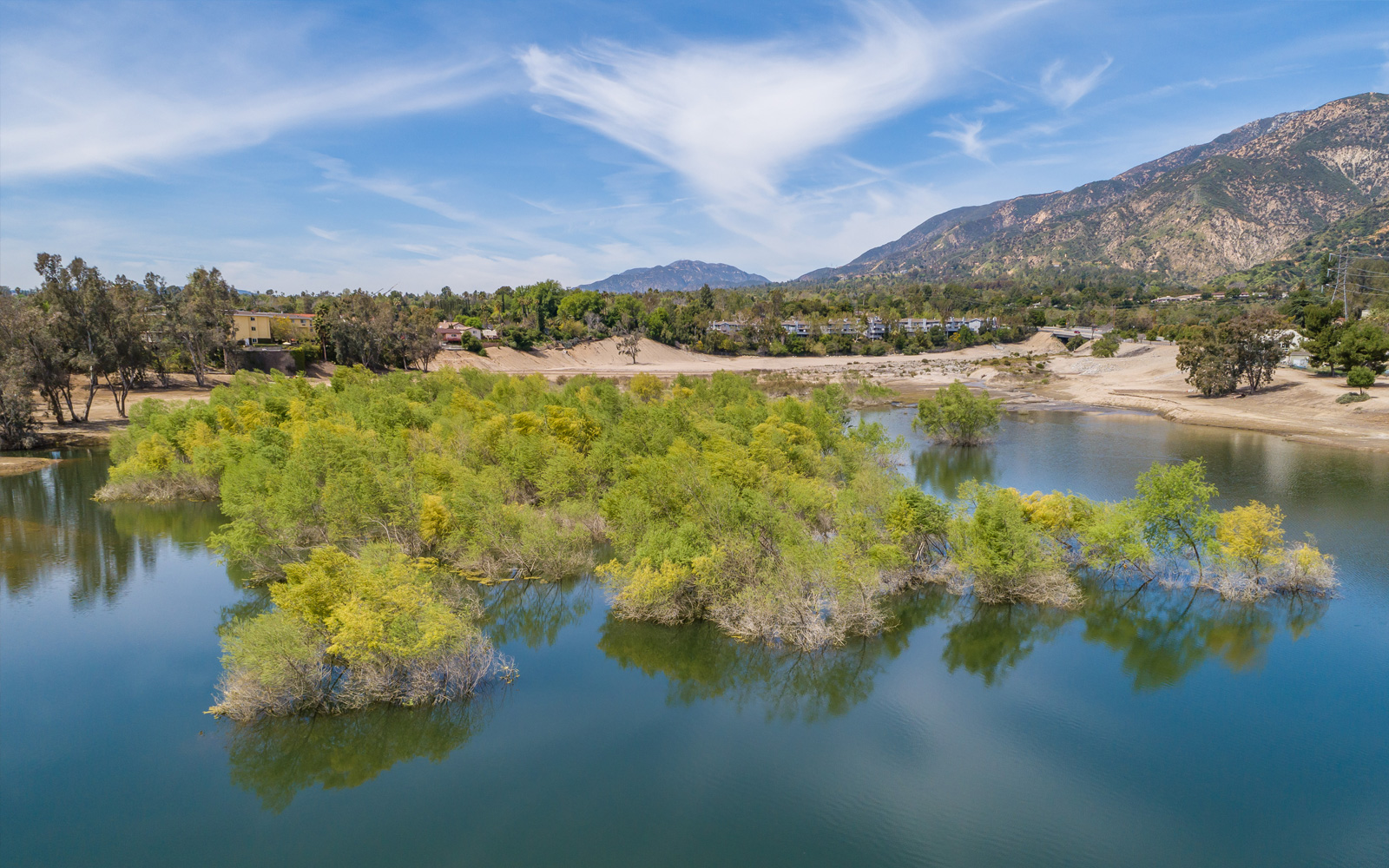
Eaton Wash Reservoir
Located in Pasadena, the Eaton Wash Reservoir was created by the construction of the Eaton Wash Dam in 1937. The Eaton Wash Reservoir safeguards downstream communities from flooding during storm season.
The January 2025 Eaton Fire burned over 14,000 acres in LA County, including significant portions of the watershed, increasing the likelihood of large sediment and debris inflows in subsequent storms. In response, Public Works initiated the Eaton Wash Dam Post-Fire Emergency Project. Sediment removal began in mid-February and concluded in July 2025. Approximately 654,000 cubic yards of sediment were removed from Eaton Reservoir, restoring the facility’s capacity to protect communities during storm season.