Watersheds
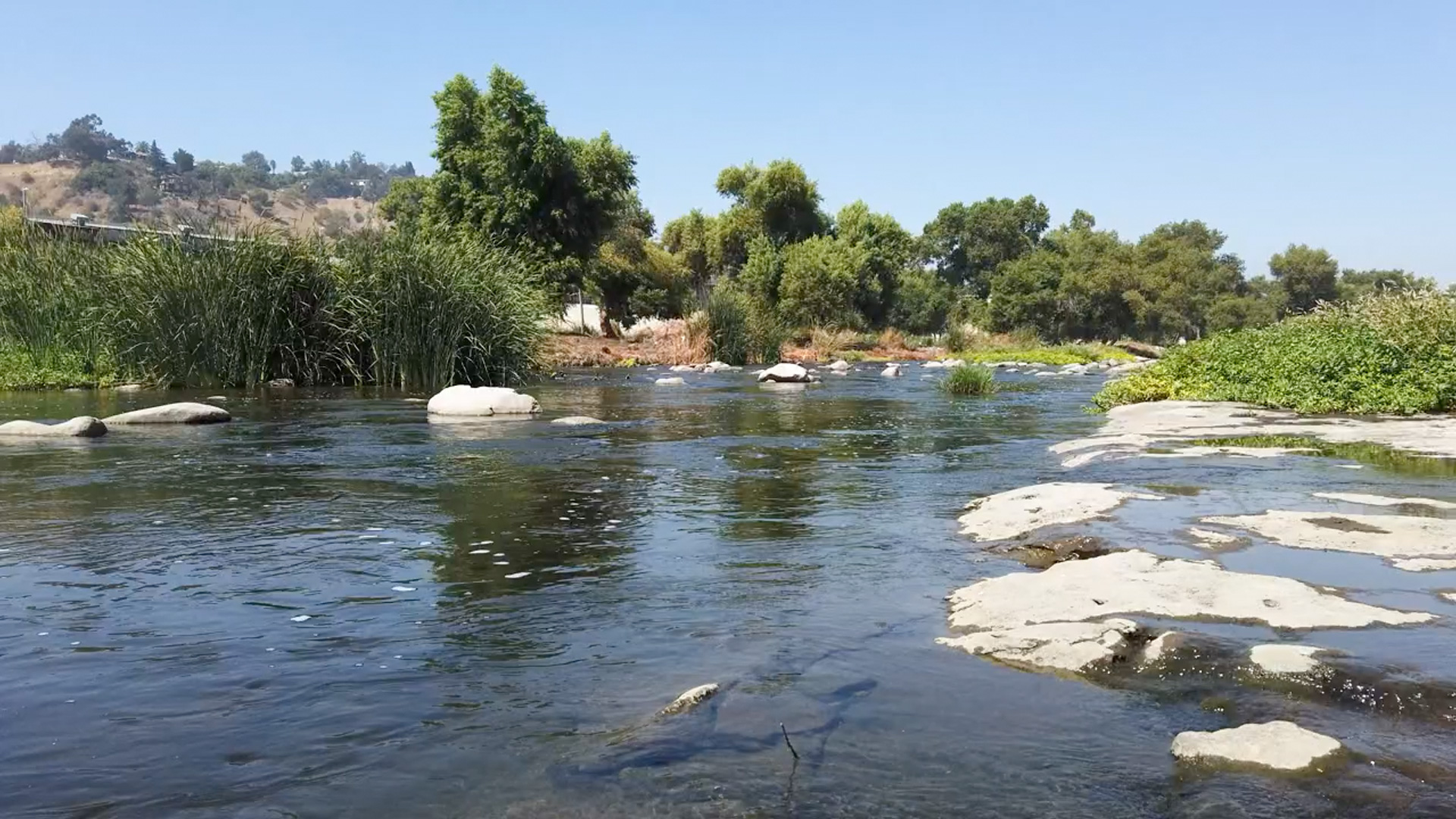
A watershed is an area of land where rain and snow flow downhill, come together with streams and rivers, eventually reaching a larger body of water like a lake or ocean—but watersheds aren’t just water. They’re entire ecosystems systems of people, plants and wildlife, that all depend on the water flowing through it. LA County has local watersheds, but many of them rely on water far beyond county lines, like the Sierra Nevada mountains. Ultimately, a watershed is part of water’s journey before it reaches its final destination, whether that’s the beach or your tap.
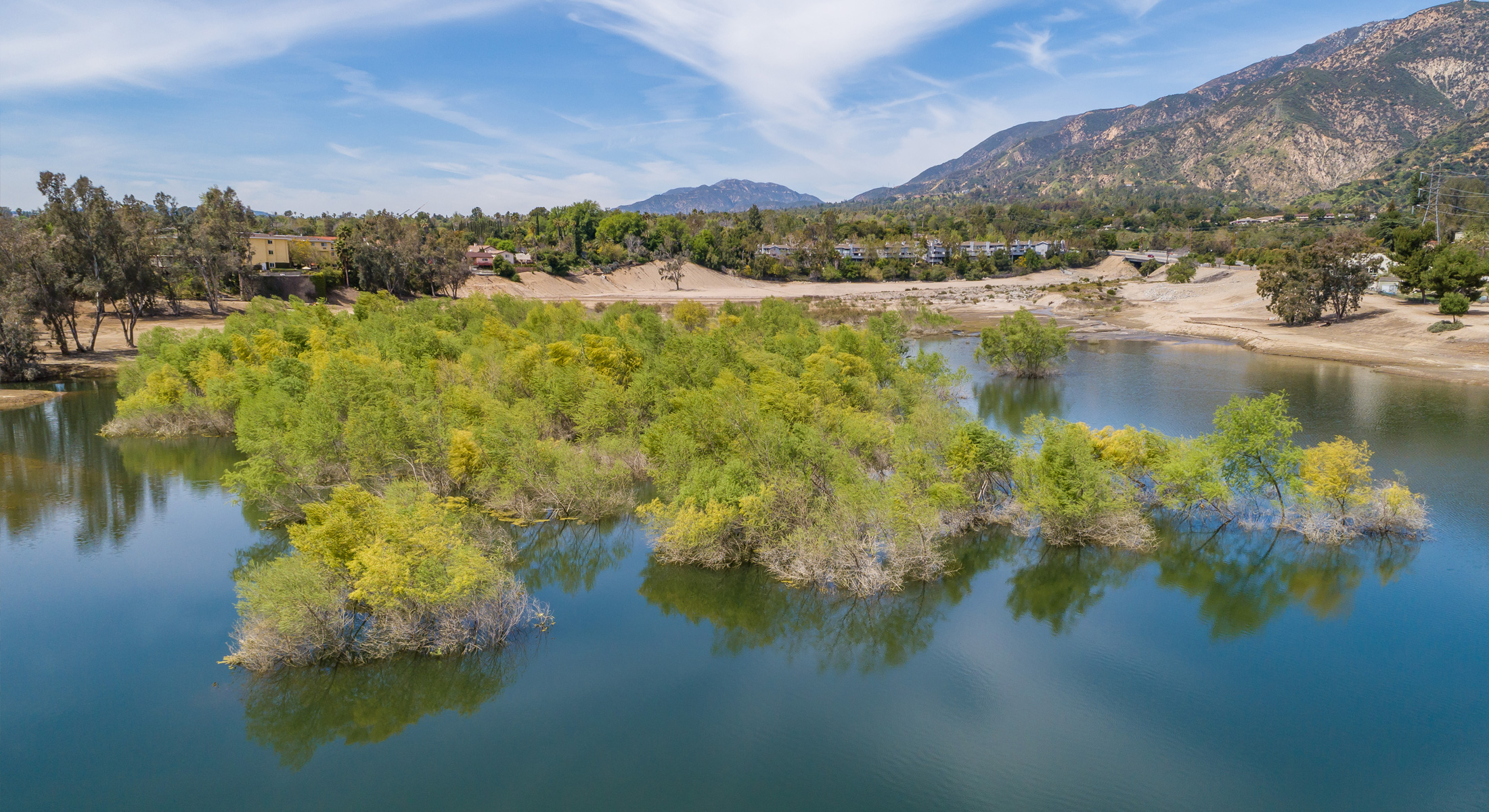
Find Your Watershed
Los Angeles County is home to six major watersheds. Where do you live?
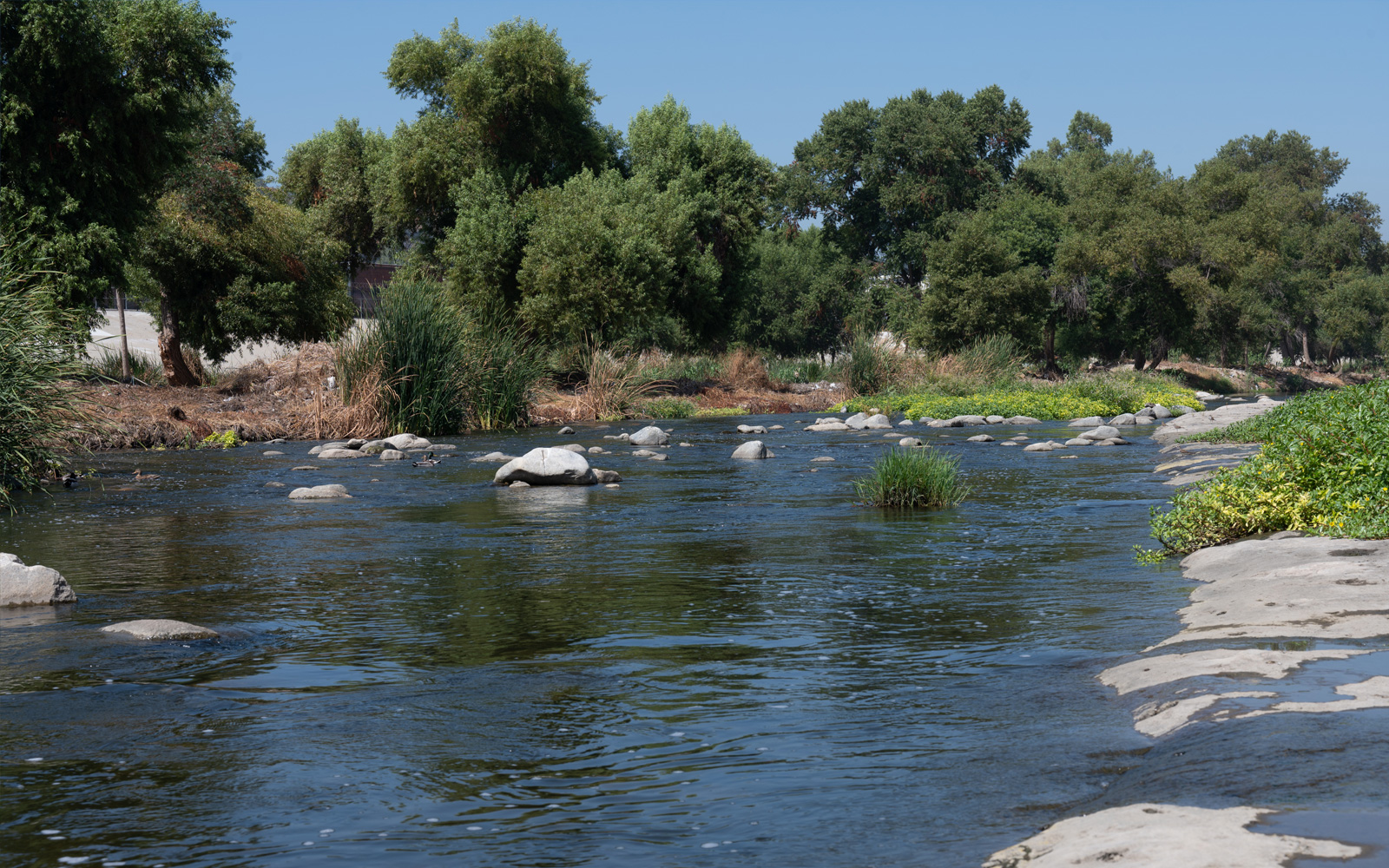
Los Angeles River Watershed
The Los Angeles River Watershed is one of the region’s largest, stretching from the San Fernando Valley to the Los Angeles Harbor in Long Beach. The land links mountain landscapes with our more urban environment, influencing everything from local habitats to the way water flows through our communities.
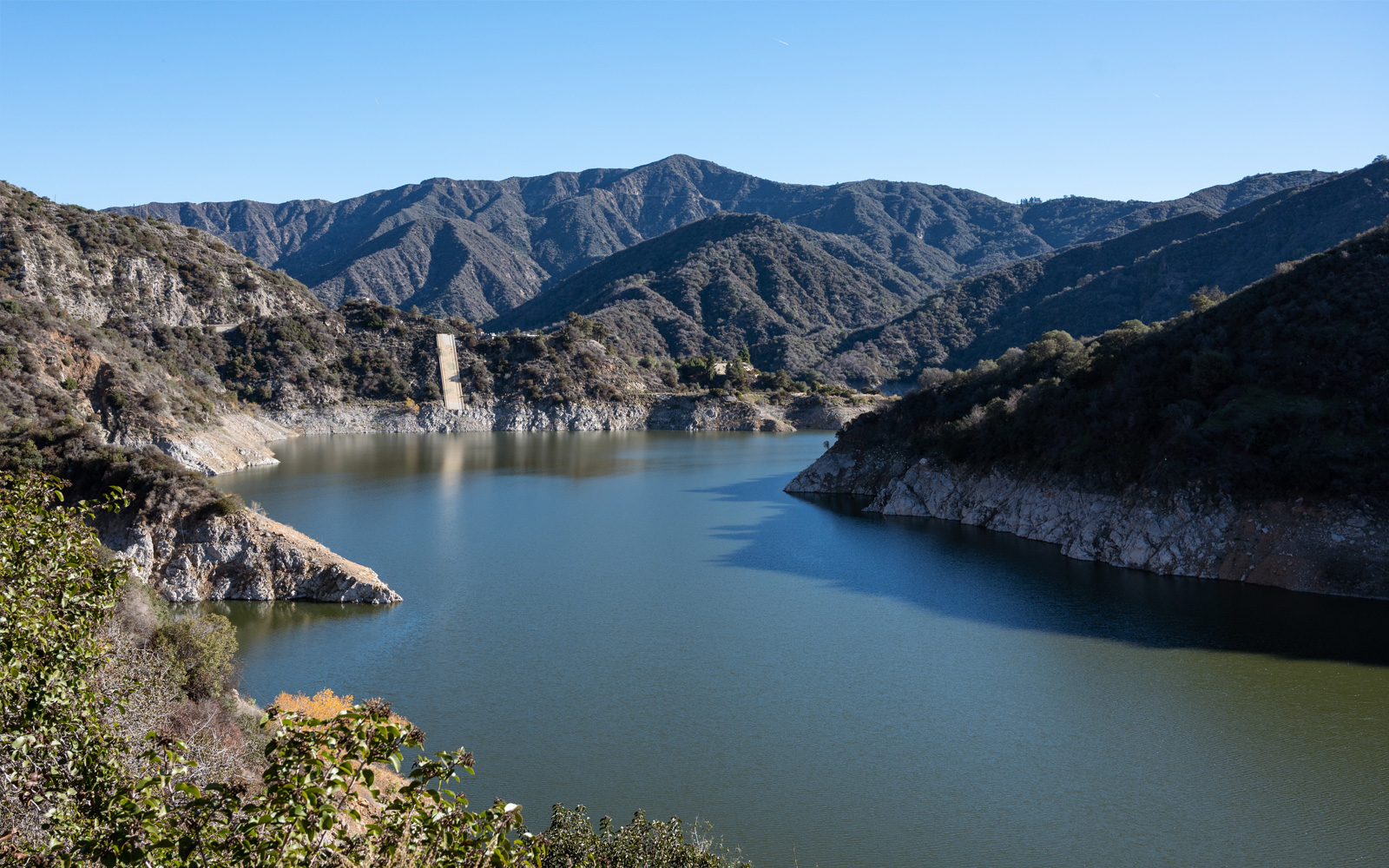
San Gabriel River Watershed
Flowing from the San Gabriel Mountains to the ocean, this watershed straddles rugged mountain wilderness and densely populated urban neighborhoods that are home to millions of residents. Its tributaries, recharge basins and engineered channels help manage stormwater, support local groundwater supplies and connect communities across eastern Los Angeles County.
Dominguez Watershed
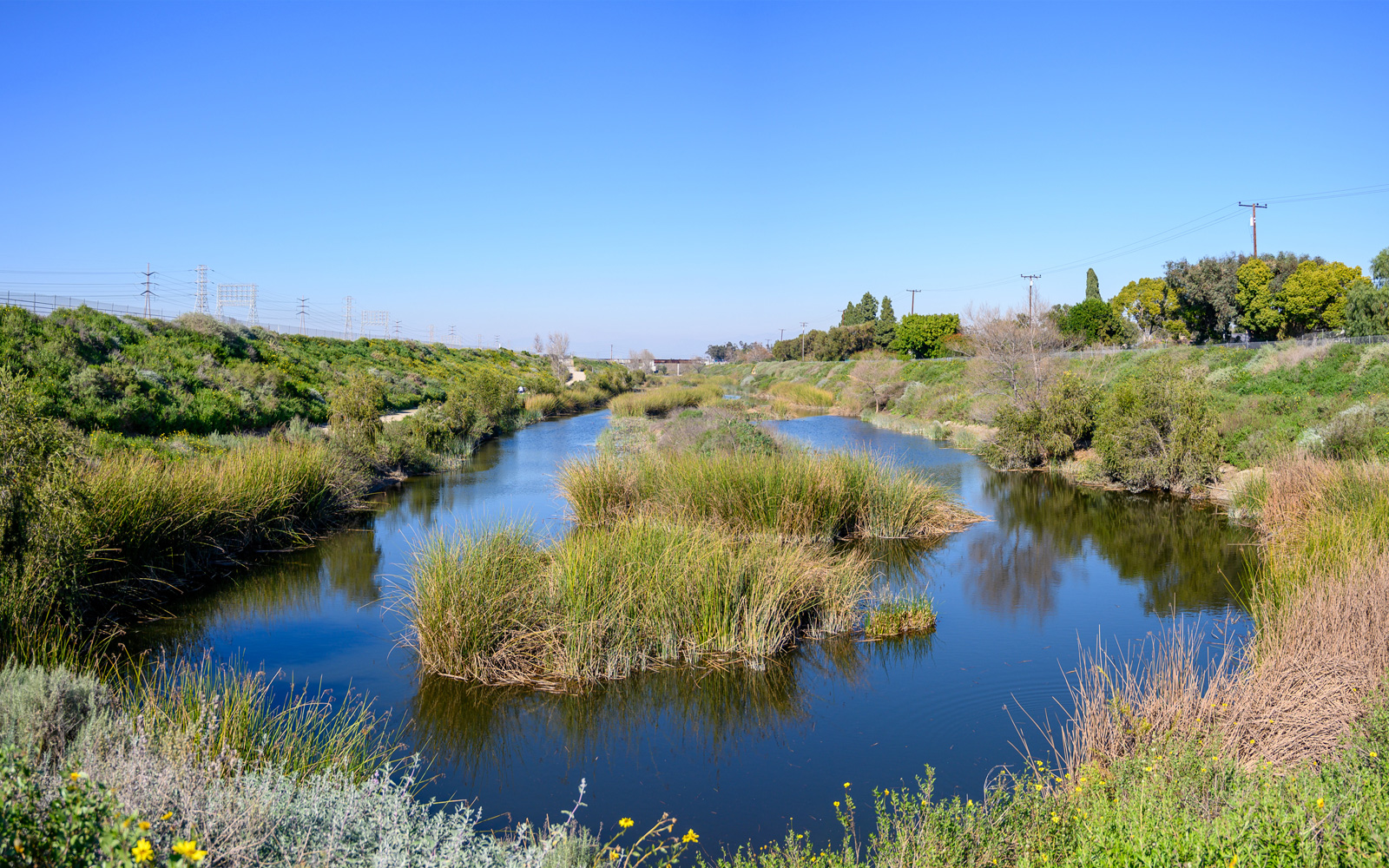
The Dominguez Watershed stretches from the Baldwin Hills through the South Bay to the Port of Los Angeles. Highly urban and industrial, it connects neighborhoods, commercial corridors and working waterfronts with the channels that carry stormwater to the harbor—supporting our local economy and industries.
Santa Clara River Watershed
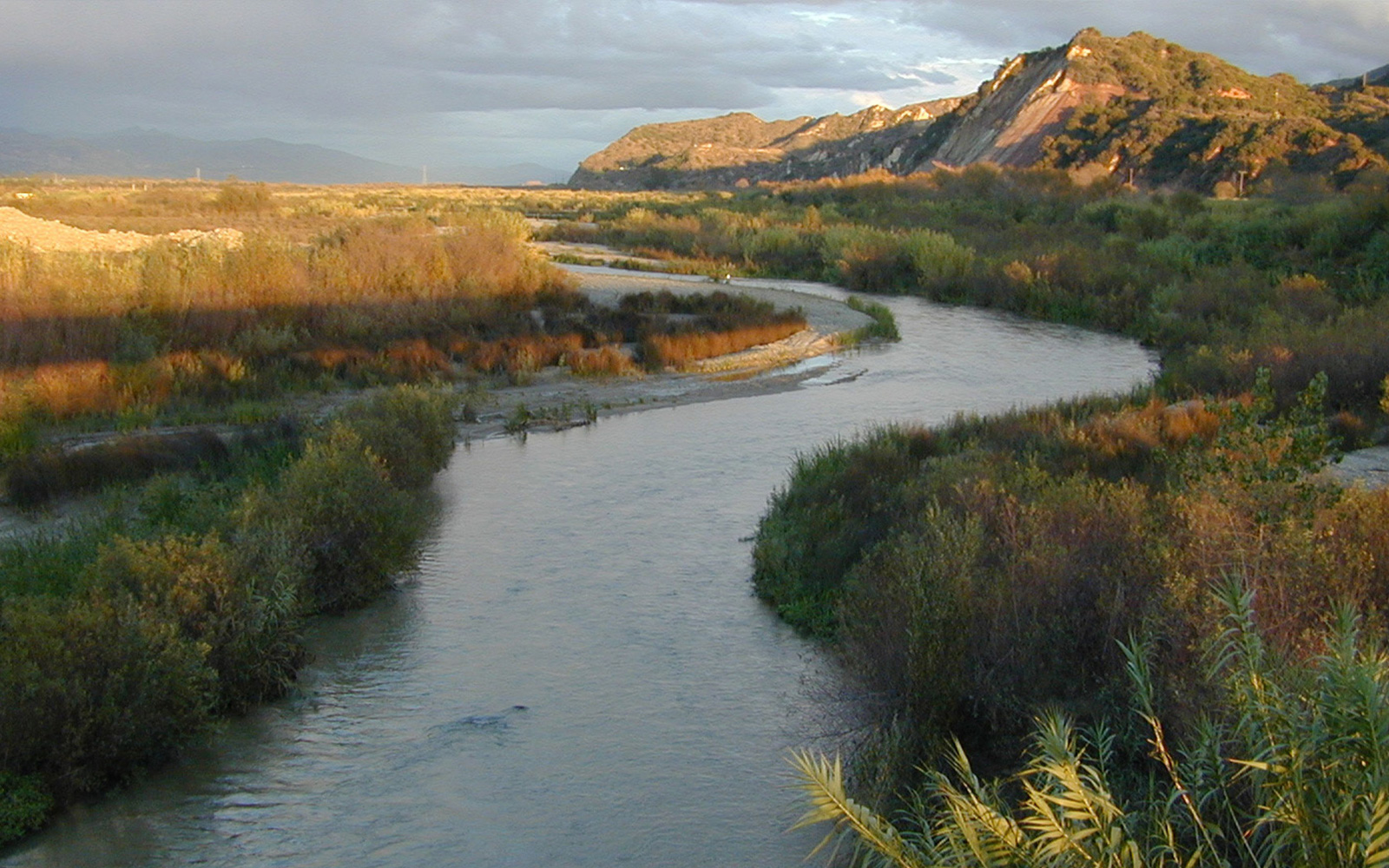
The Santa Clara River Watershed begins in the mountains of northern LA County and flows west into Ventura County before reaching the Pacific. As one of Southern California’s last largely natural river systems, it connects mountain landscapes with the communities and open spaces that span this cross‑county watershed.
Antelope Valley Watershed
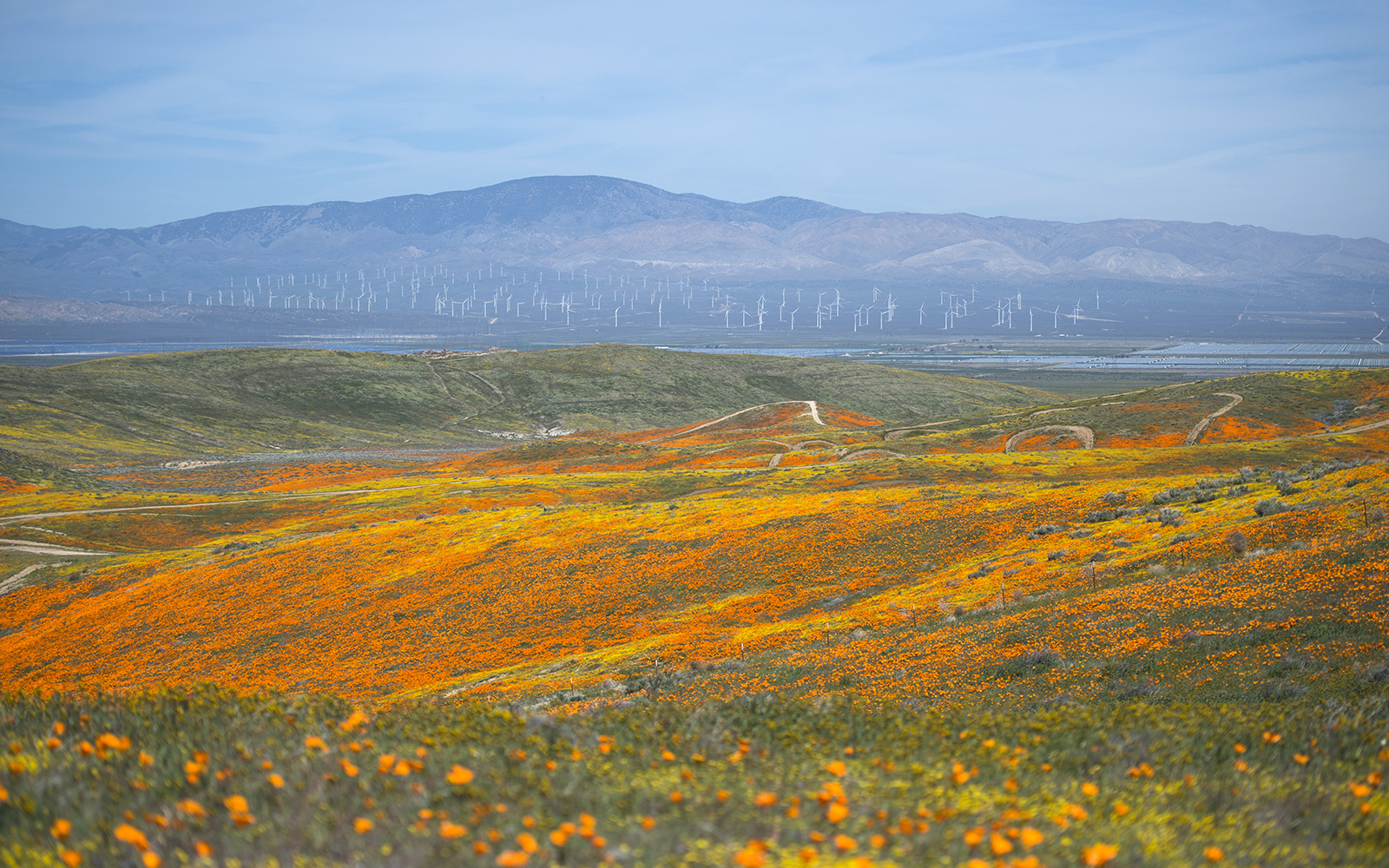
The Antelope Valley Watershed flows through the high desert communities of northern Los Angeles County, where water travels across a broad, arid landscape into dry lakes, rather than toward the ocean. Covering more than 1,200 miles, only one third is in LA County, with the rest crossing into Kern County and San Bernardino County.
Santa Monica Bay Watershed
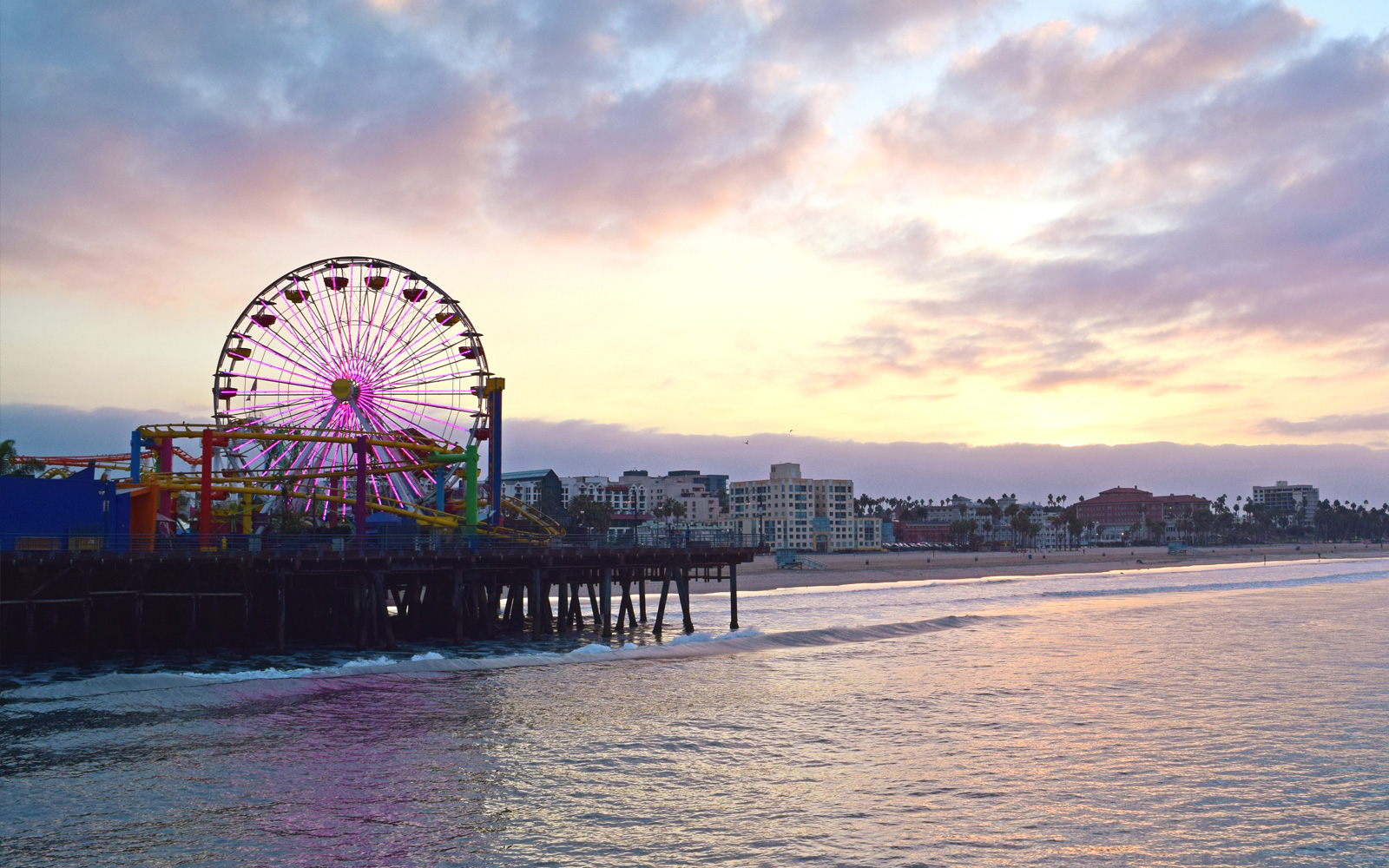
From Malibu creeks to Ballona wetlands, this watershed flows from the Santa Monica Mountains through coastal cities and urban neighborhoods before emptying into the iconic Santa Monica Bay. It links hillside canyons, wetlands and densely developed communities with the beaches and bays that define the region.